


Fly Ash Policy Gaps Fuel Environmental Concerns
The absence of a clear, long-term policy on fly ash utilisation persists as a major environmental headache in Andhra Pradesh. Chief Minister N Chandrababu Naidu recently reviewed the crisis and instructed officials to achieve 100% utilisation of fly ash from thermal power plants, shifting emphasis from pond storage to direct supply to end-users.
The NTPC thermal power station at Parawada generates about 10,000 tonnes of fly ash daily. Until two years ago, brick manufacturers received it free, handling their own transport. Central directives then mandated clearing existing ash ponds and halting new accumulation.
Adani’s move to monetize fly ash—pricing it to boost utilization—sparked controversy. The switch from free to paid supply slashed fly ash brick production and drove up brick prices.
Local brick makers formed associations, bid in tenders, and now buy from NTPC at ₹50 per tonne, reselling at around ₹100. Yet, supply lags persist: trucks queue for hours at Parawada, inflating costs.
Nearly 300 fly ash brick units in the combined Visakhapatnam district rely solely on NTPC Parawada. Cement firms and national highway projects also draw from it, with recent exports adding to demand. Officials tout full utilisation, but ash ponds remain stocked—and the issue worsens at Hinduja power plant.
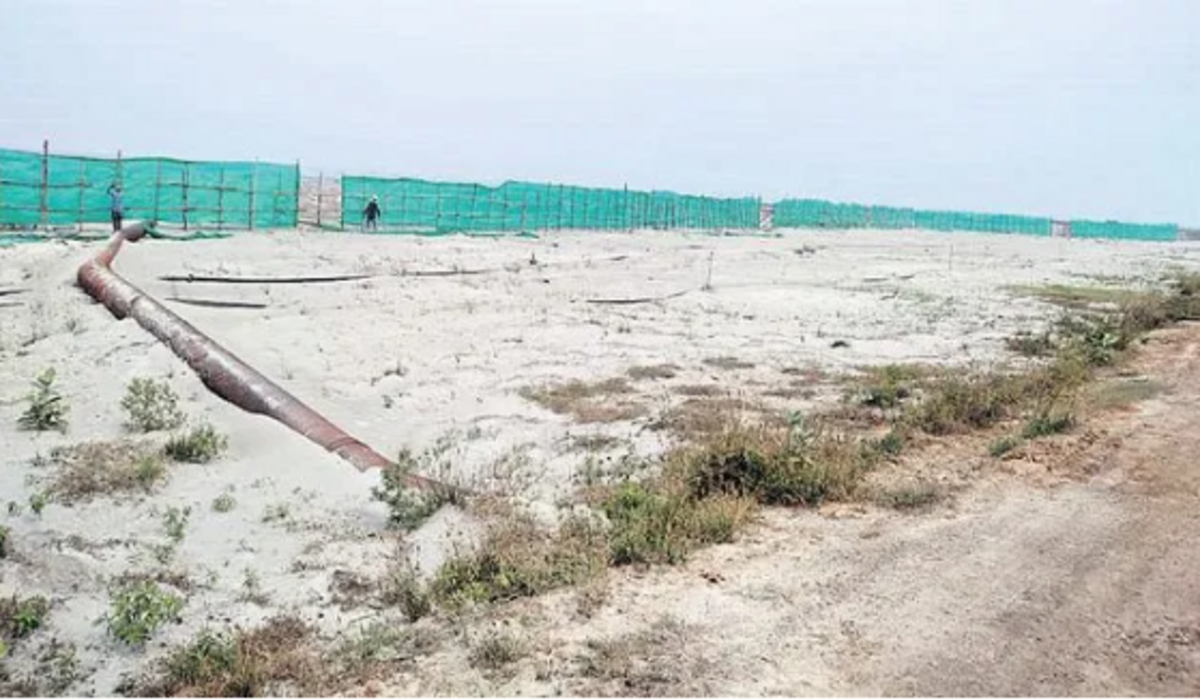
Heavy rains wash fly ash into fields, ruining soil fertility. Winds in dry spells carry it to villages, triggering respiratory illnesses. Entire Pittavanipalem village now stands largely abandoned.
N Kalidas, Director of the Institute of Solid Waste Research and Ecological Balance (INSWAREB), urged thermal plants to implement swift evacuation systems and dedicated delivery for brick makers. “Affordable pricing could revive many shuttered units,” he added.