


GITAM Researcher Develops Low-Cost Multi-Cancer Early Detection Tool
A researcher at GITAM Deemed to be University has developed a miniaturised diagnostic platform aimed at enabling early, affordable detection of multiple cancers simultaneously, marking a potential shift in how cancer screening is approached in clinical settings.
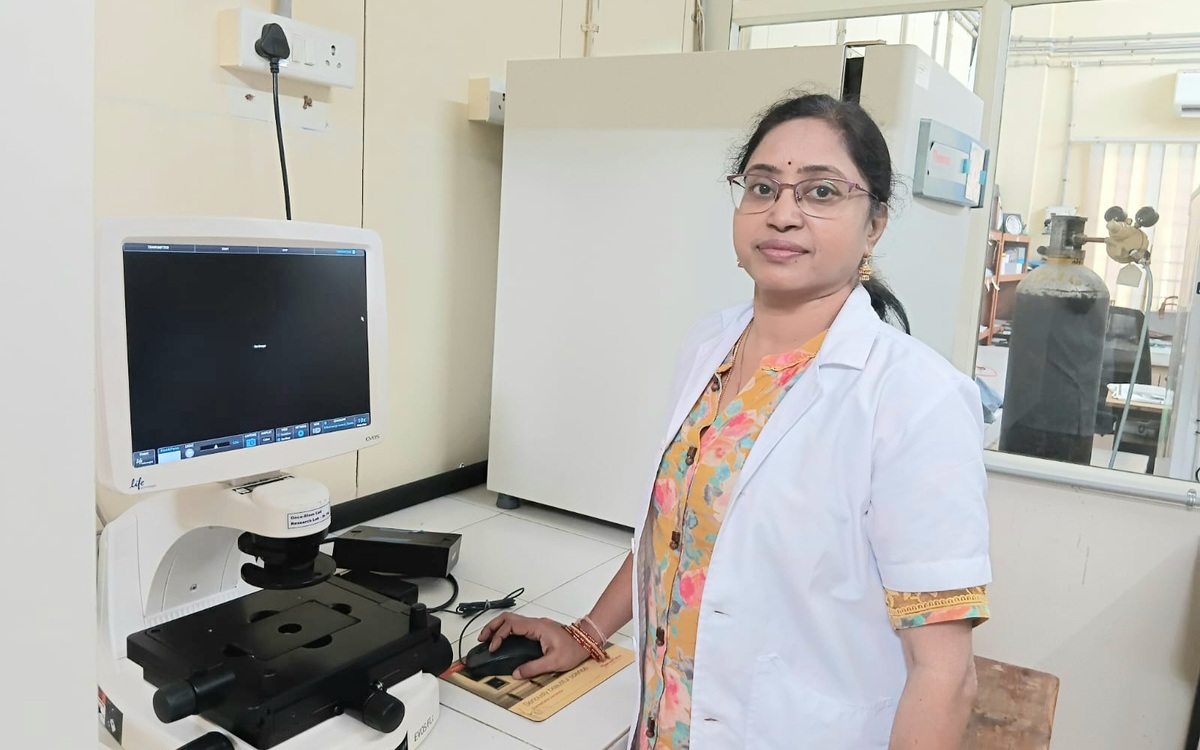
Dr. Shanti Latha Pandrangi, Associate Professor at GITAM and founder of ImmuCelTek Private Limited, developed the device — CanDect Dx — with support from the Department of Science and Technology (DST) under its National Initiative for Developing and Harnessing Innovations (NIDHI) scheme.
Unlike conventional diagnostic methods that rely on single biomarkers, CanDect Dx employs a multiplex screening approach using a panel of six patented protein biomarkers identified through translational research. The minimally invasive, serum-based system is designed to detect several high-prevalence and sex-specific cancers — including breast, ovarian, cervical, uterine, prostate, liver, lung, oral, and brain cancers — in a single test.
Dr. Pandrangi said the platform is intended to serve as a cost-effective alternative or complementary tool to existing diagnostic technologies such as CT scans, PET scans, and immunohistochemistry (IHC), which, while accurate, remain financially out of reach for a significant section of the population. “Early detection can substantially improve treatment outcomes while reducing the financial burden on patients and their families,” she said.
The prototype has so far been standardised using 350 serum samples. Validation is currently in progress with an additional 2,000 to 3,000 samples to improve diagnostic accuracy, including sensitivity, specificity, and threshold optimisation.
The long-term objective, according to Dr. Pandrangi, is to integrate CanDect Dx into routine annual health check-ups, particularly for internal cancers that are frequently diagnosed at advanced stages owing to non-specific early symptoms.
The project is currently being refined further, with efforts underway to secure additional funding to support the large-scale clinical validation required for regulatory approval and eventual clinical deployment.