


Andhra Pradesh pushes circular economy, plans five parks
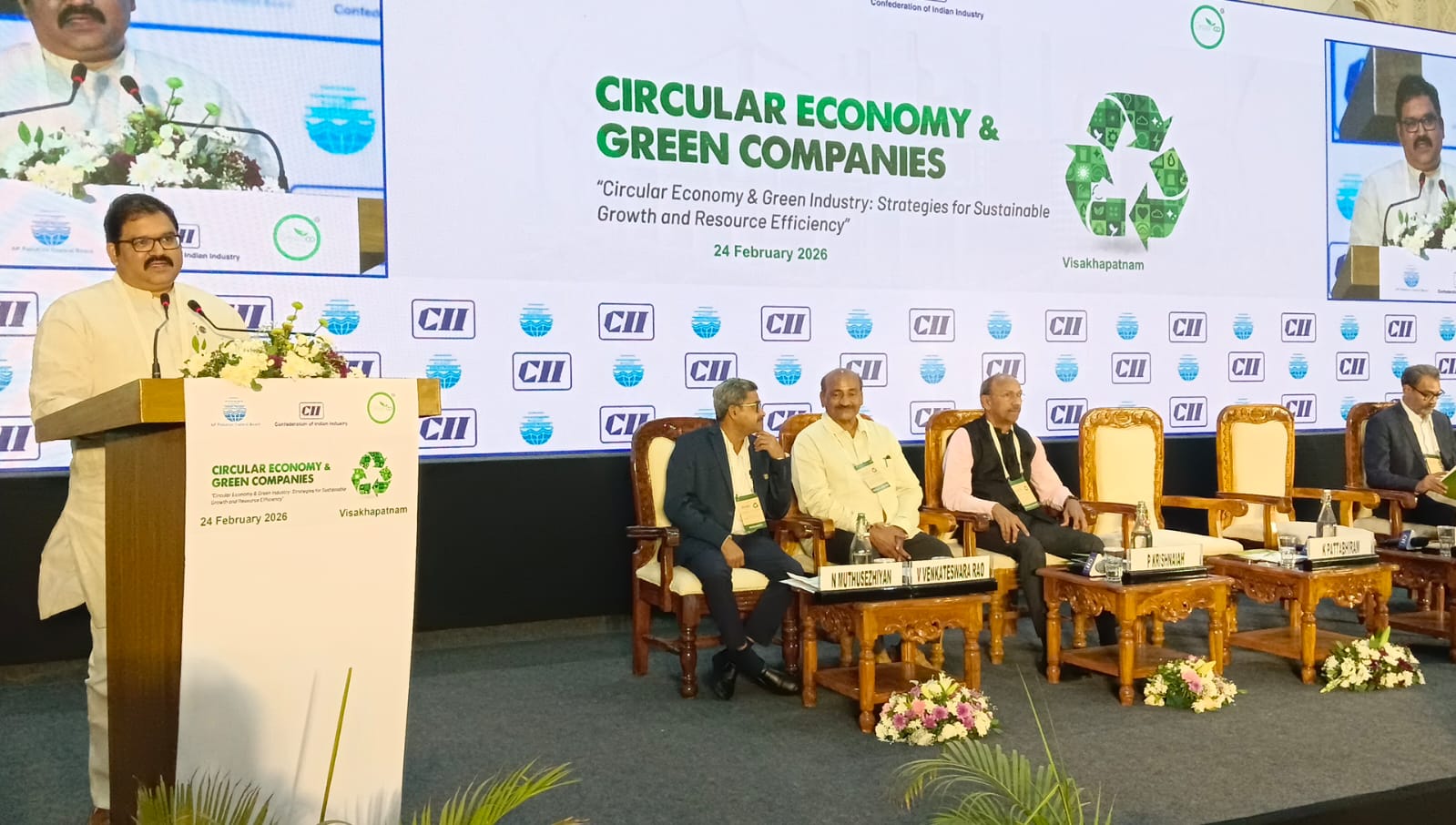
Andhra Pradesh is advancing a circular economy framework as a central element of its sustainable development strategy, Swachh Andhra Corporation Chairman Kommaredi Pattabhiram said on Tuesday.
Addressing a one-day conference on “Circular Economy & Green Companies”, jointly organised by the Andhra Pradesh Pollution Control Board (APPCB) and CII Andhra Pradesh at Gadiraju Palace, Pattabhiram said the government was implementing a focused action plan based on the “Wealth from Waste” principle. He urged industries to partner with the State in promoting environmentally responsible growth.
Expressing confidence in the long-term potential of circularity, Pattabhiram said the circular economy could emerge as a defining pillar of India’s economic future, with an estimated national value of $2 trillion by 2050 and the potential to generate over 10 million jobs.
He said Andhra Pradesh was the first state to introduce a comprehensive Circular Economy Policy along with operational guidelines, attributing the initiative to Chief Minister N. Chandrababu Naidu’s emphasis on long-term planning and technology-led governance. Circular economy initiatives, he added, have been prioritised under the Swarna Andhra Vision 2047, where “Swachh Andhra” is positioned as a guiding principle linking environmental hygiene with public health.
The State plans to establish five Circular Economy Parks. In addition, 107 waste processing centres are being set up to ensure scientific segregation of dry waste into categories such as plastic, glass, cardboard, and e-waste for supply to recycling industries.
Highlighting an expansion in waste management classifications, Pattabhiram said Andhra Pradesh had added animal waste processing as a 12th category beyond the 11 recommended by the Union government. Plants with a capacity of 100 tonnes per day have been proposed for Visakhapatnam and Guntur. He noted that the State generates 1,300 to 1,400 tonnes of poultry waste daily, which could be scientifically processed to mitigate environmental risks and create value-added by-products.
To support recycling industries, Pattabhiram said a real-time digital dashboard was under development to provide region-wise data on recyclable waste streams. A Centre of Excellence and Knowledge Centre on Circular Economy and Recycling will also be set up in Vijayawada, focusing on training, research, and awareness.
Raising concerns over environmental degradation, Pattabhiram said plastic waste contributes to rising ocean temperatures and climate change. Standard Operating Procedures would be introduced to ensure future government events adhere to a “Zero Waste” protocol, he added.
Murali Krishna Gannamani, Chairman, CII Andhra Pradesh, said the circular economy had evolved from an environmental concept into an economic imperative. The traditional linear “take, make, dispose” model, he said, was no longer sustainable, calling for faster adoption of circular practices.
Gannamani said circularity could improve resource efficiency, unlock waste-to-wealth opportunities, strengthen green manufacturing, and boost innovation and competitiveness. Progress, he stressed, would depend on enabling policies, industry-led innovation, institutional capacity building, and a shift in mindset.
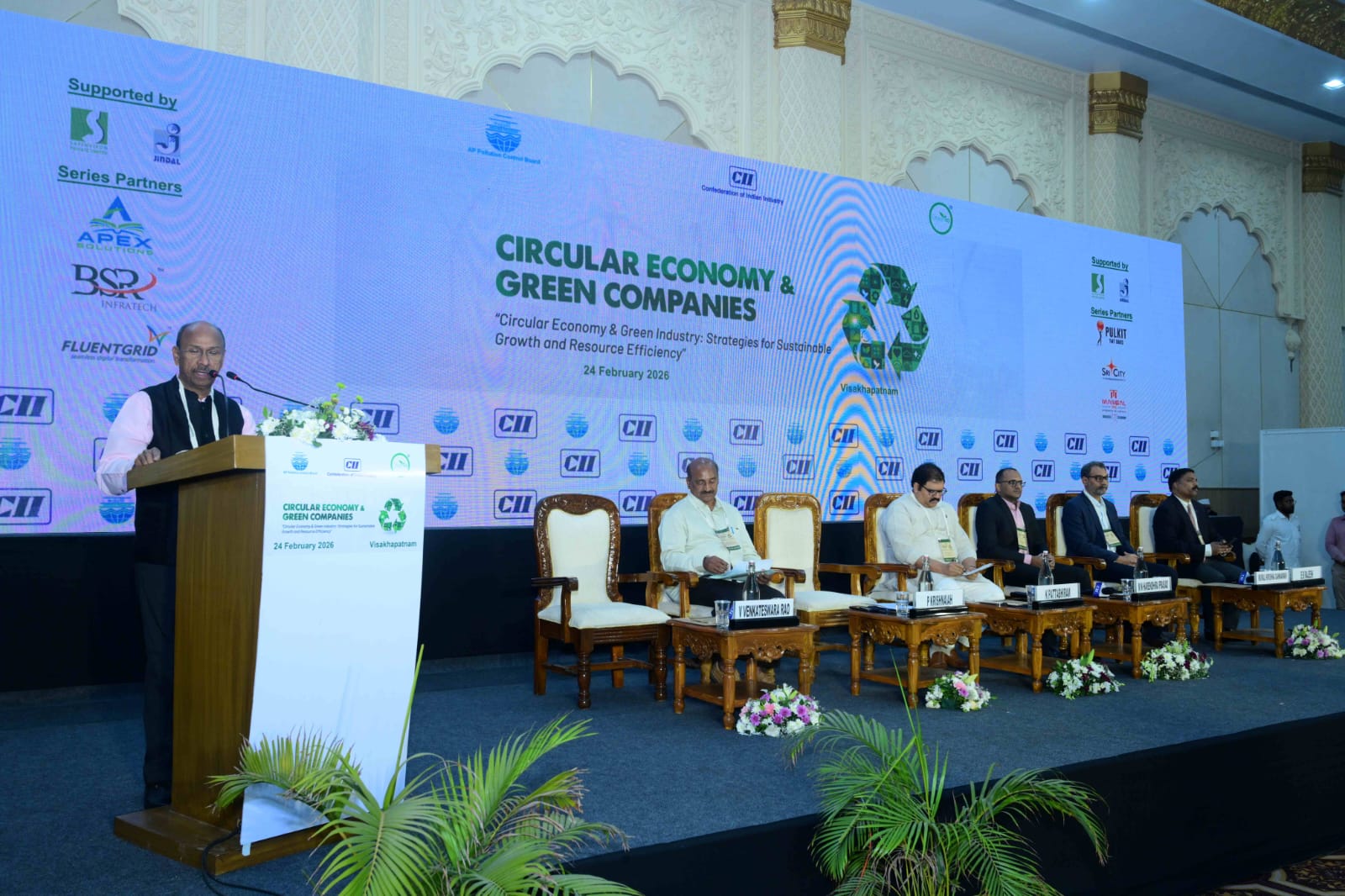
APPCB Chairman P. Krishnaiah said modern technology offered durable solutions to pollution challenges. He noted that the growing adoption of advanced pollution-control systems by industries was critical to addressing issues such as acid rain and industrial emissions. Collaboration with the Central Pollution Control Board (CPCB), he added, had strengthened the State’s environmental governance.
Krishnaiah said recycling initiatives present significant opportunities for micro, small, and medium enterprises (MSMEs), highlighting their employment potential for youth. He also emphasised the need to improve the Ease of Doing Business and promote investments in waste management infrastructure.
Industries and Commerce Secretary N. Yuvaraj, who joined virtually, said circular economy models could open new economic avenues while reducing environmental stress. He said the government was working on a policy to lease industrial land at concessional rates, with provisions for eventual ownership.
Yuvaraj said 21 waste recycling centres had been identified across the State, including facilities in Visakhapatnam and Tirupati. He encouraged entrepreneurs to assess sector-specific waste streams and deploy modern technologies to create value-added outputs, adding that the government would facilitate the transition through shared infrastructure, training programmes, and incentives.
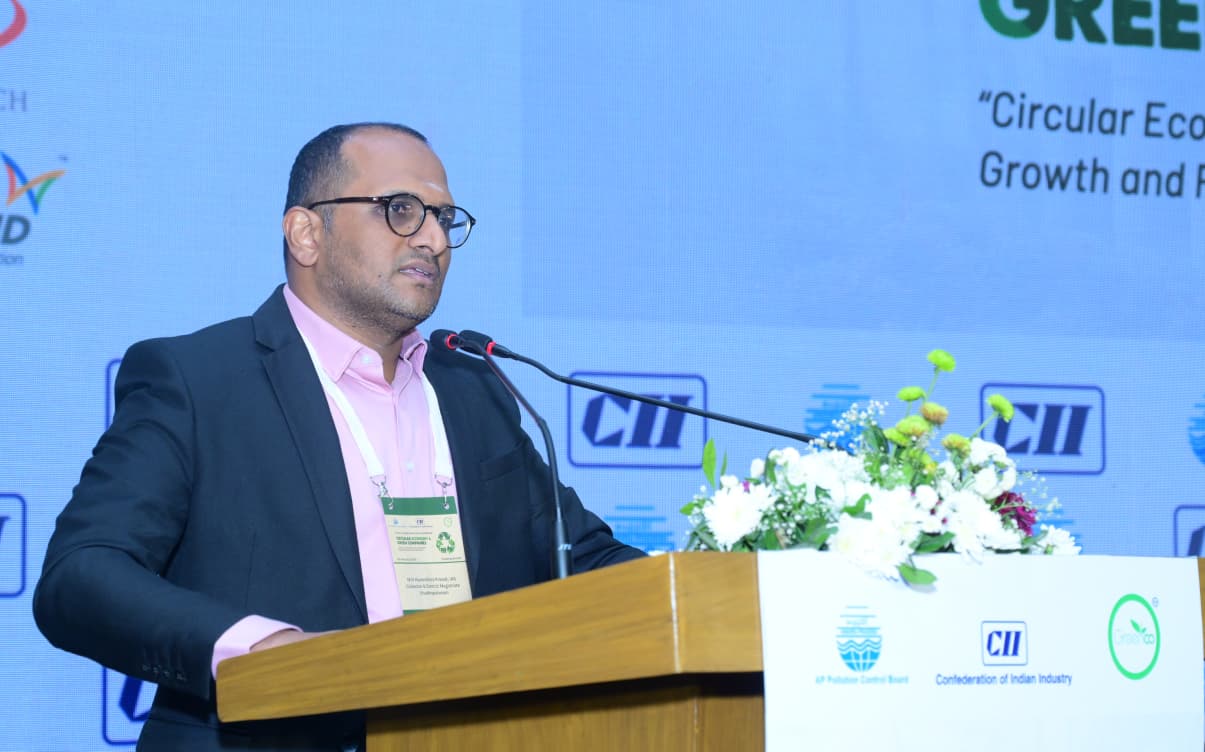
District Collector M.N. Harendhira Prasad called for urgent measures to address environmental challenges. Citing scientific assessments, he pointed to rising sea levels around Visakhapatnam and deteriorating air quality, recalling that the city’s Air Quality Index (AQI) had touched 347 on December 19 last year.
The Collector flagged challenges in the scientific recycling of Construction and Demolition (C&D) waste. While reiterating the goal of a plastic-free Visakhapatnam, he noted practical difficulties linked to low-cost plastic alternatives and stressed the need to promote biodegradable substitutes.
He said emerging sectors such as green hydrogen, biogas, and sustainable industries offered opportunities for small and medium entrepreneurs. The Ratan Tata Innovation Hub, he added, would play a key role in fostering green innovation, noting that the government would extend support in facilitating land and funding for viable projects.
The conference featured panel discussions on circular economy practices, recycling ecosystems, cleaner technologies, and sustainable industrial and building strategies. Speakers underscored the need to integrate sustainability into corporate decision-making, strengthen recycling infrastructure, and accelerate circular adoption through policy support and collaboration.
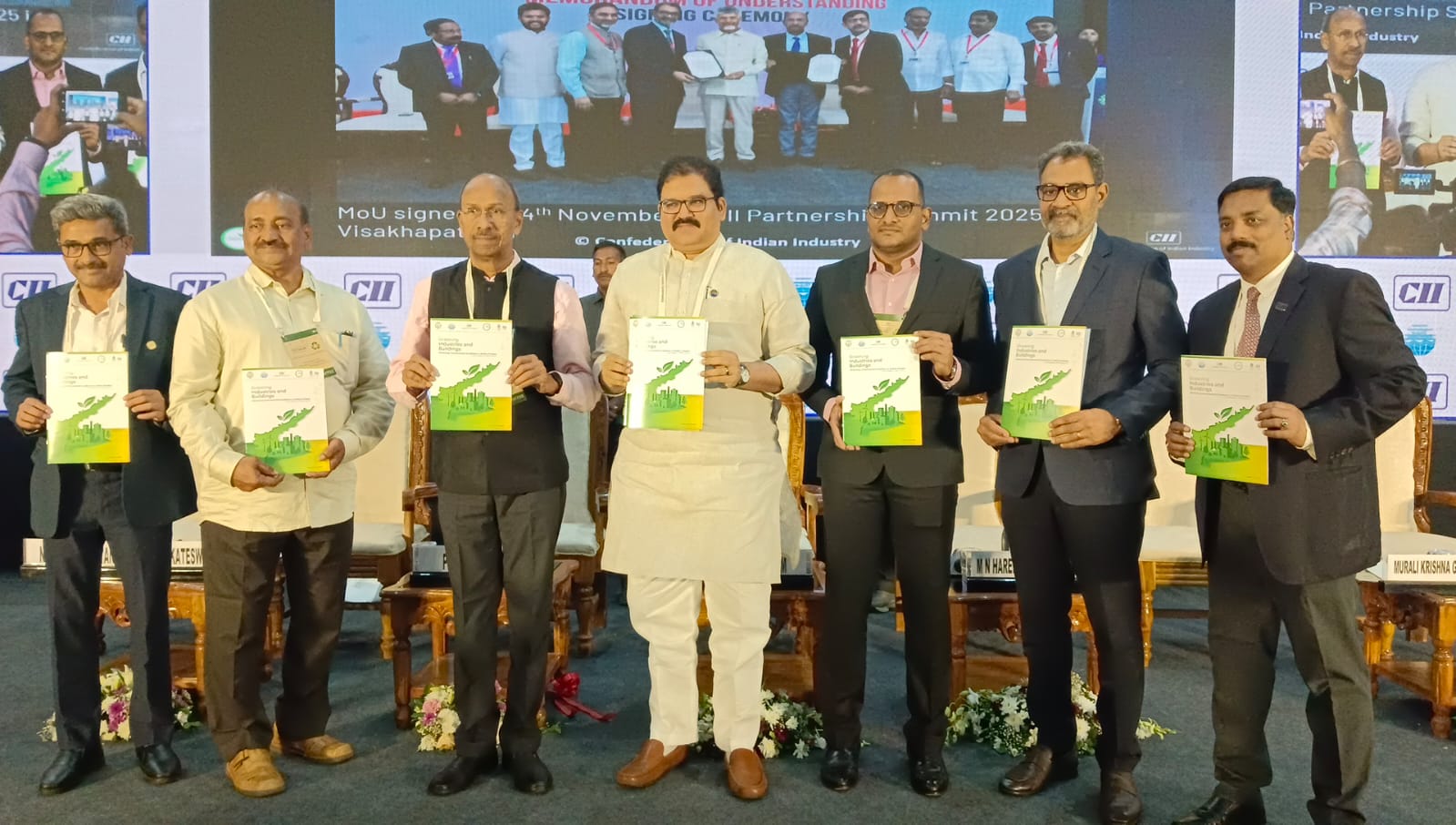
The conference witnessed the release of the Document on Greening Industries and Buildings. Industry leaders and regulators further commemorated the launch of the GreenCo North Andhra Pradesh Cluster, emphasizing the role of regional cooperation in accelerating sustainability efforts.