


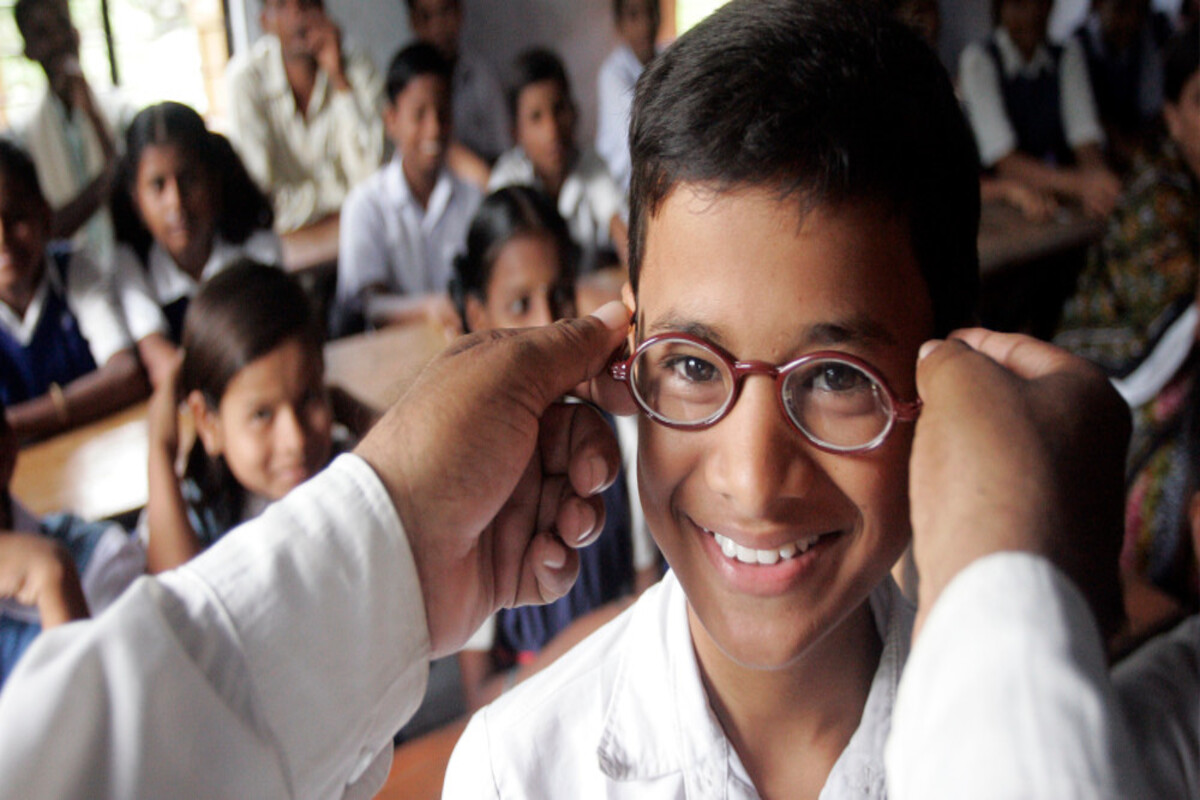
Experts Sound Alarm Over Rising Childhood Myopia in India
With nearly half the world projected to be myopic by 2050, eye care specialists at the Infor Myopia Centre of L V Prasad Eye Institute (LVPEI) have raised concern over the sharp rise in childhood myopia in India.
LVPEI experts warn that if current trends continue, one in every two children in the country could develop the condition by mid-century. Of particular concern is high myopia, defined as a refractive error beyond -6 diopters, which greatly increases the risk of irreversible complications such as retinal detachment, glaucoma, and macular degeneration.
“Myopia often begins in school-age years and progresses rapidly without timely intervention,” doctors noted. Symptoms include squinting, frequent eye rubbing, sitting too close to screens, and difficulty seeing the classroom board.
Educators can play a key role in early detection. “Teachers who notice visual discomfort in students should alert parents so children receive prompt eye examinations,” experts advised.
While genetics plays a role—especially when one or both parents are myopic—environmental factors are increasingly linked to the rise. Extended hours of reading and screen use, combined with reduced outdoor activity, are major triggers.
To counteract the trend, LVPEI recommends at least two hours of outdoor play per day. Activities such as sports, cycling, and nature walks benefit overall health and support healthy vision.
Treatment options include corrective glasses, specialised contact lenses, low-dose atropine drops, and lifestyle changes. Experts emphasised that early screening and timely intervention are essential to slow progression and prevent long-term visual damage.