


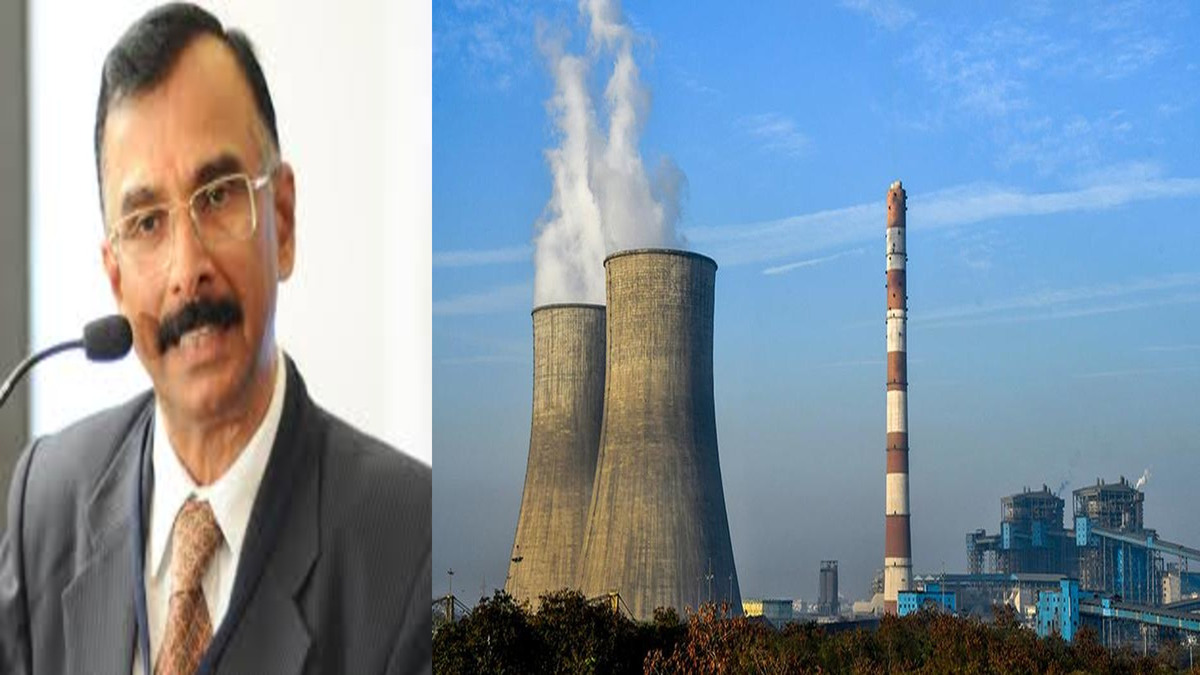
Fly‑Ash Supply Must Be Streamlined, Says INSWAREB Secretary
The Institute for Solid Waste Research & Ecological Balance (INSWAREB) has urged the Andhra Pradesh government to set up a clear, consistent distribution system for fly ash, warning that the current fragmented supply is hampering the state’s push toward greener construction.
In a letter to Chief Minister N Chandrababu Naidu, INSWAREB Secretary N Kalidas said users are ready to adopt fly‑ash bricks but are stalled by “inconsistent and unreliable” deliveries. He noted that none of the state’s thermal power plants are equipped with dry‑ash handling systems capable of meeting demand, leading to long waiting times for transporters and forcing many brick makers to cut output or shut down.
Andhra Pradesh generates roughly 10 million tonnes of fly ash each year. Kalidas said the brick sector alone could absorb this amount if supply were regularised. The state has about 8,000 clay kilns producing 9.3 billion bricks annually. If half of them switched to fly‑ash bricks at 1.5 kg per brick, nearly 7 million tonnes of fly ash could be used; at 2.5 kg per brick the figure would rise to 11.6 million tonnes.
He added that fly‑ash bricks can achieve compressive strength of 30 MPa, comparable to concrete, and could be employed in pavements, canal linings and other infrastructure projects, potentially consuming an additional 5.5 million tonnes. Cement manufacturers, meanwhile, use only 20‑25 % fly ash in their blends, well below the 35 % allowance, because of the same supply gaps.
Kalidas called for fly ash to be made as readily available as clay, arguing that a streamlined supply chain would enable brick makers to shift to eco‑friendly alternatives and open up global carbon‑credit opportunities. INSWAREB stands ready to assist the government with a practical action plan to expand fly‑ash brick production and improve utilisation across sectors.