


Gas Cylinder Supply Woes Deepen in Anakapalli
Delays in the supply of cooking gas cylinders are causing operational challenges for businesses and inconvenience for households in Anakapalli.
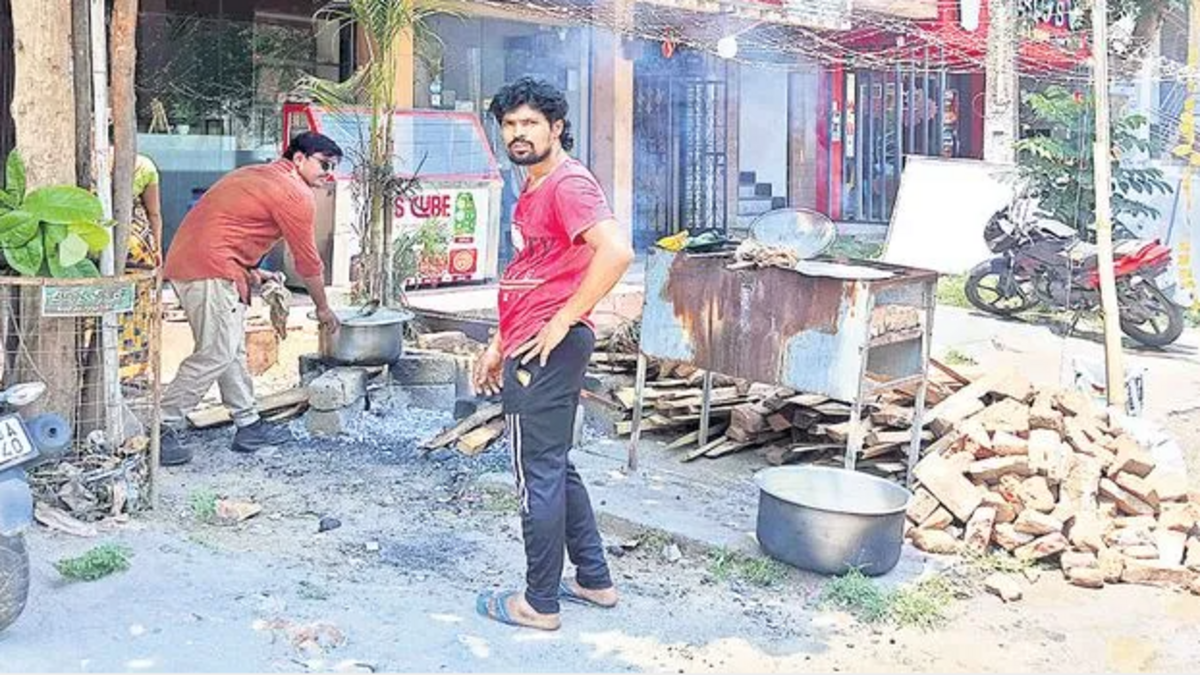
Restaurants that depend on daily cylinder deliveries report waiting up to a week after booking before a cylinder arrives. “We had to install temporary stoves because customers were walking out,” said Ravi Kumar, manager of a popular restaurant in the town centre. “Food that normally takes five minutes to cook on gas is now taking 20 minutes, and we are losing business.”
Household consumers are also experiencing delays. Several residents told reporters that booked cylinders are being delivered up to ten days later, compared with quicker service in the past.
Officials from the Civil Supplies Department insist there is no actual shortage of cooking gas in the district. “The supply chain remains intact across the district,” said K. Srinivas, Deputy Director of Civil Supplies, Visakhapatnam region. “Under current regulations, urban bookings have a 25‑day window, and rural bookings a 45‑day window. Deliveries are scheduled in accordance with these norms.”
However, many consumers contest the official position. “We wait beyond the 45 days, and still the delivery takes another week or more,” said Meena Reddy, a resident of a remote hamlet near Anakapalli. Vans used to bring cylinders weekly to the villages. Since the conflict in West Asia began, those deliveries have stopped, and we must now bring empty cylinders to the agency ourselves.”
Supply chain analysts say the issue is a mix of logistical constraints and scheduling backlogs. “The current delay does not point to a systemic gas shortage, but it does indicate stress in distribution logistics,” explained Dr. S. Narayan, an independent energy sector consultant. “The longer waiting windows permitted under booking rules may be exacerbating perceptions of scarcity.”
Businesses and residents are urging authorities to streamline deliveries and consider interim measures, such as mobile distribution units for rural areas, to ease the current strain on supplies.