


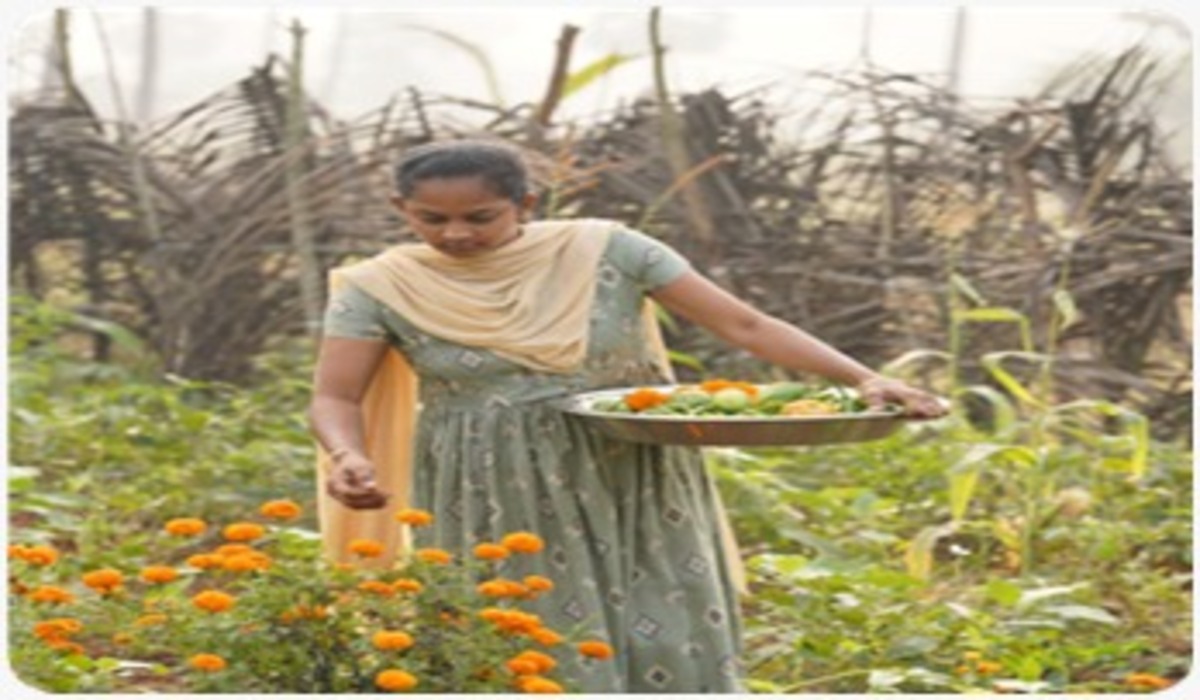
Health, soil, and a quiet revolution in Santapalli
“As you sow, so shall you reap.” In Santapalli village of Anakapalli district, Bobbil Jyothi’s journey proves how deeply this saying holds, not just for crops but for life itself. What began as a concern for personal health has grown into a model of natural farming that is now set to reach farmers across continents.
Jyothi’s work drew the attention of the Rythu Sadhikara Samstha (RYSS), which selected her to share her experiences with cultivators in seven countries, including Europe. Announcing this, P. Vijay Kumar, Executive Vice Chairman of RYSS and Government Advisor to the Agriculture Department, said her journey highlights the impact of disciplined and science-based natural farming.
Speaking to The Coastal Times, Jyothi said she did not enter agriculture by tradition. After completing her education, she worked as an HR professional with a software firm in Vijayawada. Health concerns during pregnancy brought her back to her native village. When her unborn child failed to gain adequate weight, she began questioning food quality and the long-term effects of chemical-intensive farming.
These concerns pushed her towards chemical-free agriculture, first to ensure safe food for her family. The shift was not easy. Family members worried about falling yields and income loss. Jyothi said awareness programmes organised by RYSS in Santapalli helped her gain confidence in natural farming practices.
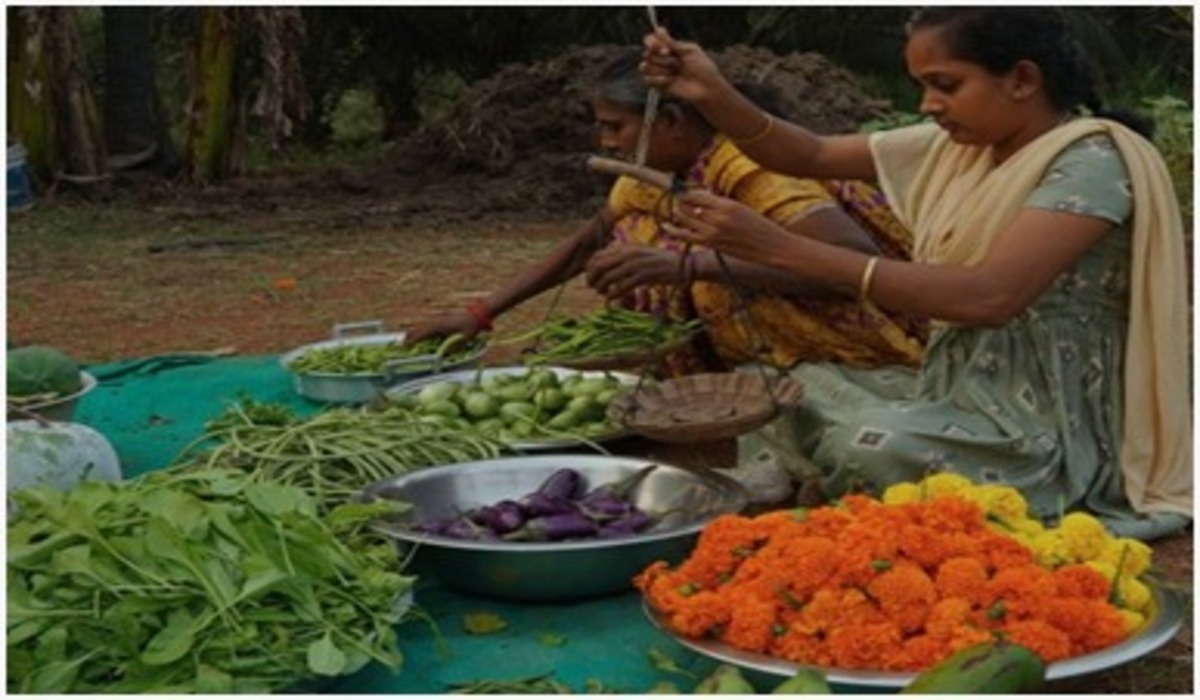
She approached agriculture as a scientific process. In 2020, she began experimenting on just 0.10 acres. She recorded every input, expense, and result. She applied practices such as Jeevamrutham, Beejamrutham, and mulching with care. Over time, soil fertility improved, pest incidence reduced, and moisture retention increased.
Her work gained wider recognition in August 2024, when she took on a mentoring role at the Indo-German Global Academy. By then, many began referring to her as a “farmer-scientist” for her methodical approach.
The economic gains were clear. Jyothi’s annual income rose from Rs 63,700 to Rs 2,00,540. Cultivation costs dropped from 42 per cent to 12 per cent. Improved soil health reduced irrigation cycles from about 40 to 15. Today, her farm supports more than 42 crop varieties.
She grows coconut as the main crop on one acre, supported by fruit trees such as papaya, banana, mango, lemon, and guava. She cultivates vegetables, including brinjal, chilli, tomato, beans, okra, cowpea, maize, and marigold, in separate blocks. On another 0.20 acres, she follows the ‘Any Time Money’ model, growing 25 varieties of leafy vegetables, tubers, and seasonal crops to ensure steady income.
“Natural farming gave me stability,” Jyothi said, adding that she now shares her experiences with other farmers, especially women.
From a small village in Anakapalli district to an international platform, her story reflects a quiet shift in Indian agriculture, where health, ecology, and livelihoods increasingly move together.