


Unsafe Water Units, Quality Lapses in City Raise Public Health Concerns
Concerns over the safety of drinking water in Visakhapatnam have intensified after inspections revealed widespread violations in parts of the city’s water supply chain.
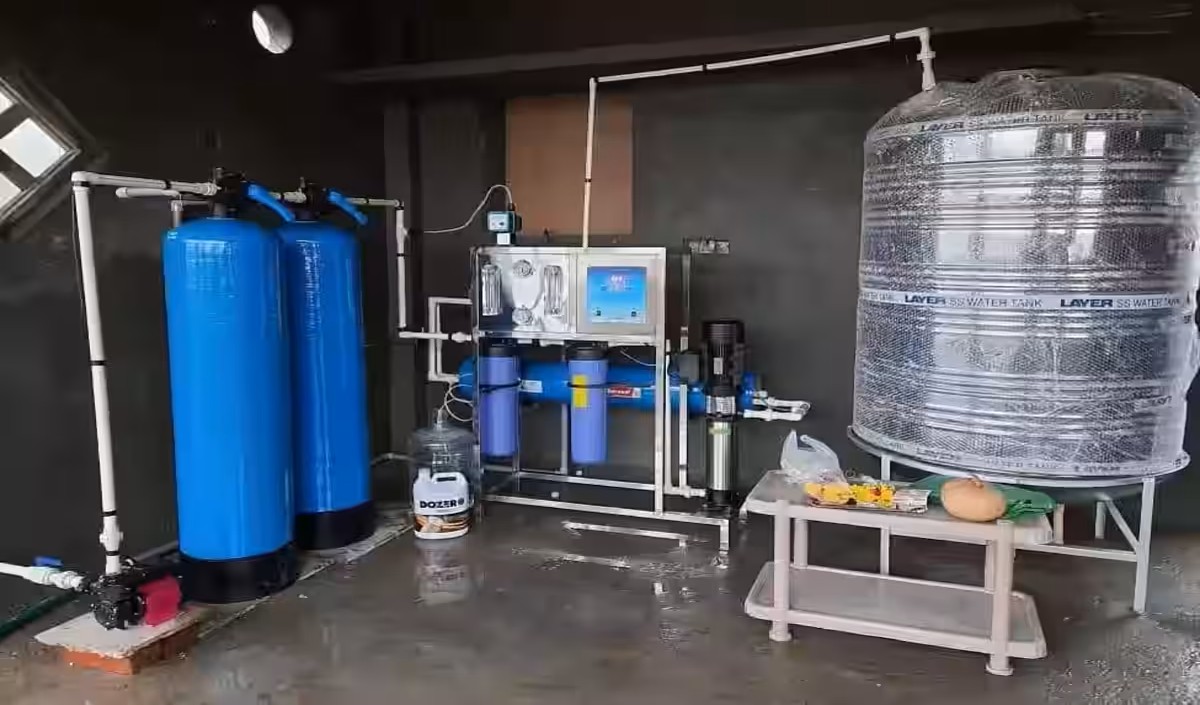
Several water purification and packaged drinking water units are reportedly operating in unhygienic conditions while supplying substandard water, raising questions over regulatory compliance and public health safeguards.
Officials have found that many units function in densely populated areas where drainage lines run close to production facilities, significantly increasing the risk of contamination.
In several locations, borewells used for extraction are situated near sewage canals, further raising the possibility of polluted water entering the supply chain. Chlorination practices, in some cases, were found to be irregular or below required standards.
Authorities estimate that nearly half of the water purification units in the city are operating without valid authorisation. Despite repeated violations, enforcement action has remained limited.
Packaged drinking water units have also been found violating mandatory norms, including failure to obtain permissions from the Groundwater Resources Department and the municipal corporation. Several facilities are operating without licences from the Food Safety Department.
Over the past six months, food safety officials have booked 15 packaged water plants in the district for violations. Officials clarified that enforcement of loose water sales falls under municipal authorities, which limits the scope of direct action.
Quality testing has shown deviations from prescribed drinking water standards. In multiple samples, pH levels were recorded below the permissible range of 6.5 to 8.5, and in some cases dropped below 6. Levels of fluoride, calcium, sulphate, copper, and zinc were also found to be inadequate.
Units in areas including Madhurawada outskirts, Arilova, Railway New Colony, and Gajuwaka were found using excess chlorine to suppress odour. Health officials said some consumers have reported digestive discomfort after consuming such water.
Authorities have advised residents to have drinking water tested at the Food Safety Inspection Office’s regional laboratory in Pedawaltair. Two litres of water must be submitted within six hours in a clean, new bottle. Chemical testing costs ₹230, while bacterial testing costs ₹150.
Officials said notices are being issued to erring units, and action is being taken based on complaints of non-compliance with safety standards.