


Visakhapatnam Central Prison turns waste into wealth
The Visakhapatnam Central Prison is expanding its waste management programme with a series of sustainability initiatives aimed at reducing operational costs while equipping inmates with scientific, technical, and entrepreneurial skills.
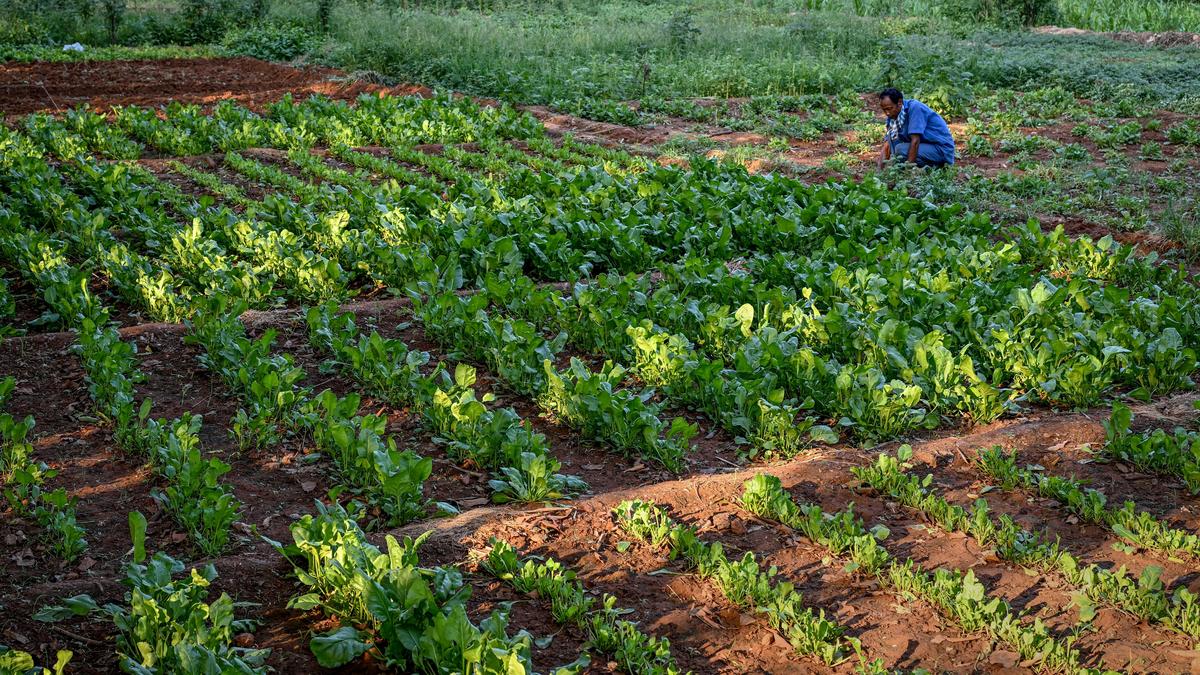
The prison, which houses more than 1,600 inmates, generates nearly 500 kg of dry waste every day, including vegetable scraps, coconut shells, used tea powder, plastic packaging, and paper waste. Biodegradable waste is composted to produce organic manure and bio-fertilisers for use in the prison’s agricultural fields, while discarded coconut shells are converted into biochar and used as fuel in the prison’s ironing unit. Plastic waste is segregated and sent to authorised recycling facilities.
The prison has also launched a pilot project to produce carbon-dispersed liquid handwash by recycling partially used soaps, leftover shampoo, and other hygiene products. “The recycled handwash solution is undergoing laboratory testing to assess its quality, safety, and effectiveness. If the results are satisfactory, it will be taken up for large-scale production and regular use within the prison,” Deputy Superintendent Ch. Surya Kumar said.
The administration is also developing liquid organic pesticides for use in its agricultural fields and exploring measures to improve thermal energy efficiency in the prison kitchen. Officials said the initiatives form part of the prison’s efforts to promote sustainable resource management while equipping inmates with skills that could support their rehabilitation and reintegration into society.