


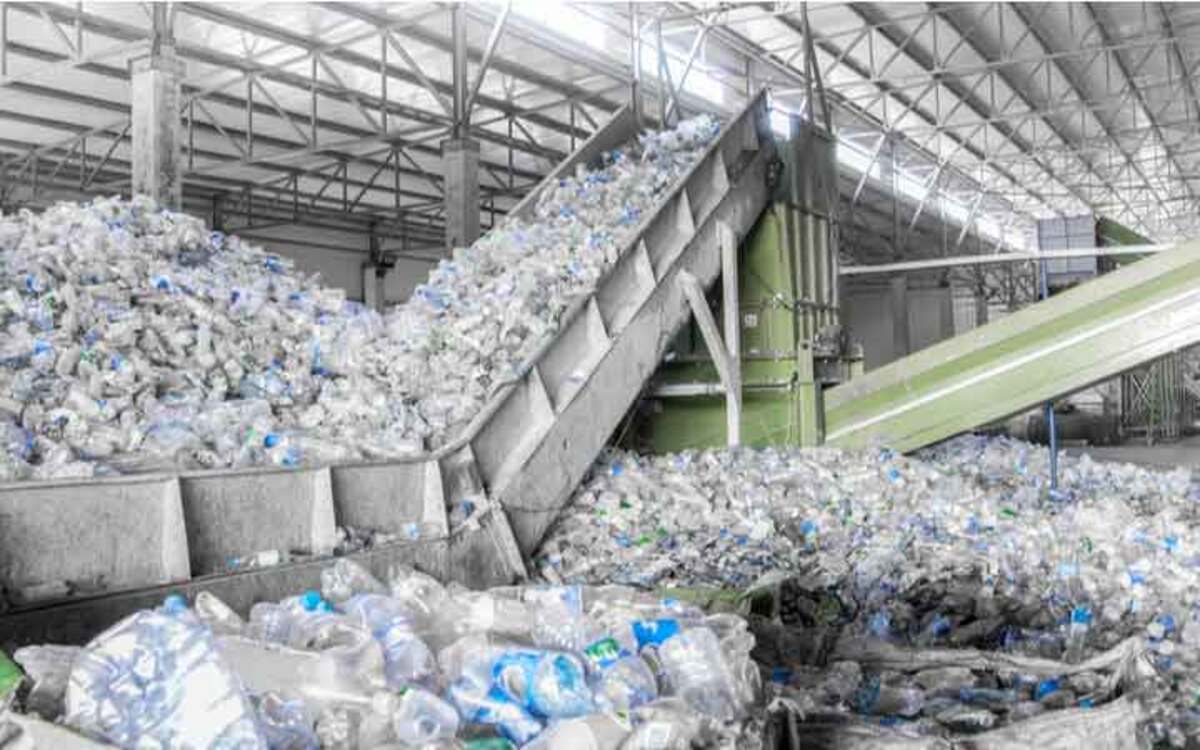
Vizag to get 25-TPD plastic recycling unit at Kapuluppada
The Swachha Andhra Corporation has floated an Expression of Interest (EoI) to set up a 25-tonne-per-day (TPD) integrated plastic recycling and value-added manufacturing unit at the Kapuluppada dumping yard, in a move officials say marks a significant step towards scientific plastic waste management.
The proposed facility will convert plastic waste diverted from landfills, stormwater drains, and the sea into reusable industrial raw material, officials said.
The plant will cater to Visakhapatnam and urban local bodies within a 250-km radius, covering the Anakapalli, Vizianagaram, Srikakulam, and Alluri Sitharama Raju districts. It will process municipal plastic waste, industrial plastic scrap, and material sourced from authorised recyclers, scrap dealers, and aggregators, converting it into high-quality recycled plastic pellets and granules.
The unit will also draw industrial plastic scrap from the packaging, injection moulding, and consumer goods sectors across Andhra Pradesh and Telangana. The EoI also permits limited imports of clean industrial plastic scrap and additives via Visakhapatnam Port to maintain an uninterrupted supply of raw materials.
Plastic waste remains a challenge despite the ban
The project comes even as plastic waste continues to pose a major environmental challenge in the city despite the ban on single-use plastics. Thin carry bags, food packaging, and disposable plastic items remain widely in use, and municipal authorities estimate that hundreds of tonnes of plastic waste are generated every month.
Much of this waste is contaminated or mixed with municipal solid waste, making recycling difficult, officials said. As a result, a significant quantity ends up in stormwater drains, canals, and the sea.
While the informal recycling sector recovers larger plastic items, low-value plastic films, multilayered packaging, and sachets often end up in dumping yards due to the absence of organised recycling infrastructure — a gap the new facility is intended to address.
Zero-waste design supports circular economy goals
Officials said the project aligns with Andhra Pradesh’s circular economy goals and the Swachh Bharat Mission (Urban) by cutting landfill disposal and converting plastic waste into valuable industrial raw material.
The facility has been designed on a zero-waste model. Wastewater from the washing process will be treated at a 50-KLD Effluent Treatment Plant (ETP) and reused for green belt development, plantation, and landscaping within the premises. Any surplus treated water will be discharged into a nearby sewage treatment plant in line with environmental norms.