


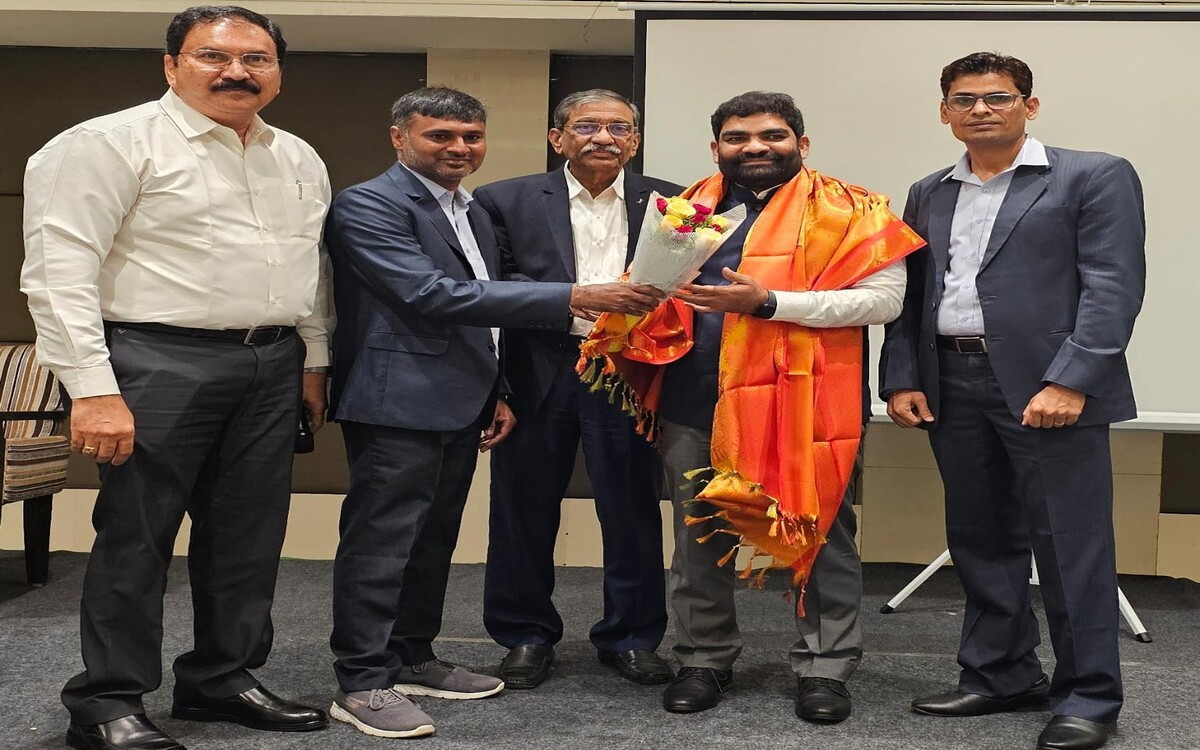
Modern food preservation technologies key to boosting value-added exports: APFPS CEO
Modern food preservation technologies such as vacuum freeze-drying and heat pump dehydration can play a vital role in reducing post-harvest losses, increasing value addition and enhancing the export competitiveness of Andhra Pradesh’s food processing sector, Chief Executive Officer of the Andhra Pradesh Food Processing Society (APFPS) Geddam Sekhar Babu has said.
Addressing an awareness programme organised by the Andhra Pradesh Chambers of Commerce and Industry Federation (AP Chambers) in association with Ice Make Refrigeration Limited in Vijayawada on Thursday, Dr. Sekhar Babu said the State must adopt advanced preservation technologies to retain food quality, extend shelf life and strengthen its presence in global markets.
He added that the State government’s food processing policy and institutional support would help the sector contribute more significantly to economic growth.
More than 80 representatives from the food processing, seafood, agri-business, cold chain and allied sectors participated in the programme.
Technical experts demonstrated vacuum freeze-drying and heat pump food dehydration technologies and highlighted their applications in food processing. They said the technologies preserve the nutritional value, freshness and quality of food and seafood while enabling room-temperature storage. They added that the technologies could significantly extend shelf life, minimise post-harvest losses and reduce dependence on conventional cold chain infrastructure.
AP Chambers president Potluri Bhaskara Rao said Andhra Pradesh had immense potential to expand secondary and tertiary food processing to enhance value addition. He said adopting advanced preservation technologies would improve product quality and create new opportunities in domestic and international markets.
Mr. Bhaskara Rao also urged the AP Food Processing Society to create greater awareness among entrepreneurs about India’s nearly 40 Free Trade Agreements (FTAs) to help them tap export opportunities more effectively.
The programme concluded with an interactive session involving food processors, exporters and technology providers.