


Frequent changes in eye power could signal keratoconus: LVPEI doctors
Frequent changes in spectacle power and gradual deterioration in vision among teenagers and young adults could be early warning signs of keratoconus, a progressive eye condition, doctors from the LV Prasad Eye Institute (LVPEI), GMR Varalakshmi Campus, have cautioned.
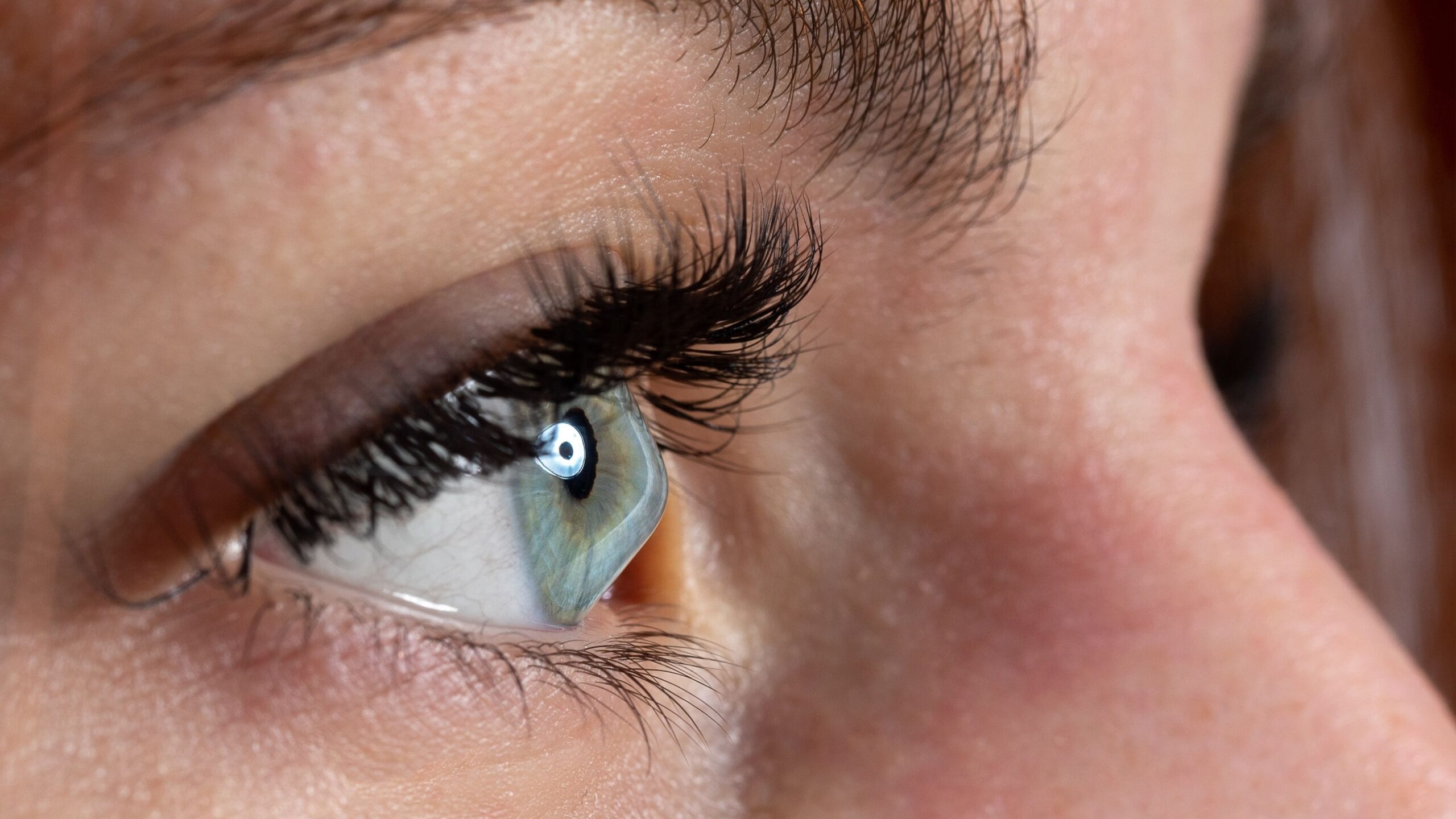
Dr Divya Tara, consultant ophthalmologist, said keratoconus is often mistaken for routine refractive errors such as myopia, particularly in its early stages. The condition occurs when the normally round, dome-shaped cornea gradually becomes thinner and bulges outward into an irregular, cone-like shape. This distorts the way light enters the eye and makes it difficult to achieve sharp vision with spectacles alone.
The condition typically begins in the teenage years or early adulthood. Patients may experience blurred or distorted vision, increased sensitivity to light, glare, halos around lights and eye strain. Because these symptoms overlap with common refractive errors, many patients move from one set of spectacles to another before the underlying cause is identified.
“Every year, we see many teenagers and young adults struggling with frequent changes in their spectacle prescriptions and deteriorating vision. These cases are often treated as simple refractive errors or myopia, but they could be early signs of keratoconus,” she said.
Dr Tara said delayed detection could have a significant impact on young patients, affecting their education, career prospects and overall quality of life.
“The key to effective treatment of keratoconus is recognising the warning signs and investigating them early,” she said.
A family history of the condition, chronic eye allergies and habitual eye rubbing are commonly associated with keratoconus, doctors noted.
Advances in corneal imaging, such as corneal topography and tomography, have made it possible to detect the condition at an early stage, often before changes become apparent during a routine eye test.
Treatments such as corneal cross-linking can help stabilise the cornea and slow or prevent further progression, while specialised contact lenses can improve functional vision in suitable patients. In advanced cases, other surgical options, including corneal transplantation, may be considered.
Parents and young people were urged not to ignore repeated changes in spectacle power, unexplained deterioration in vision, or difficulty achieving clear vision even with updated glasses. They were also advised to avoid rubbing the eyes vigorously. Early evaluation by a cornea specialist can help identify keratoconus and enable timely intervention.