


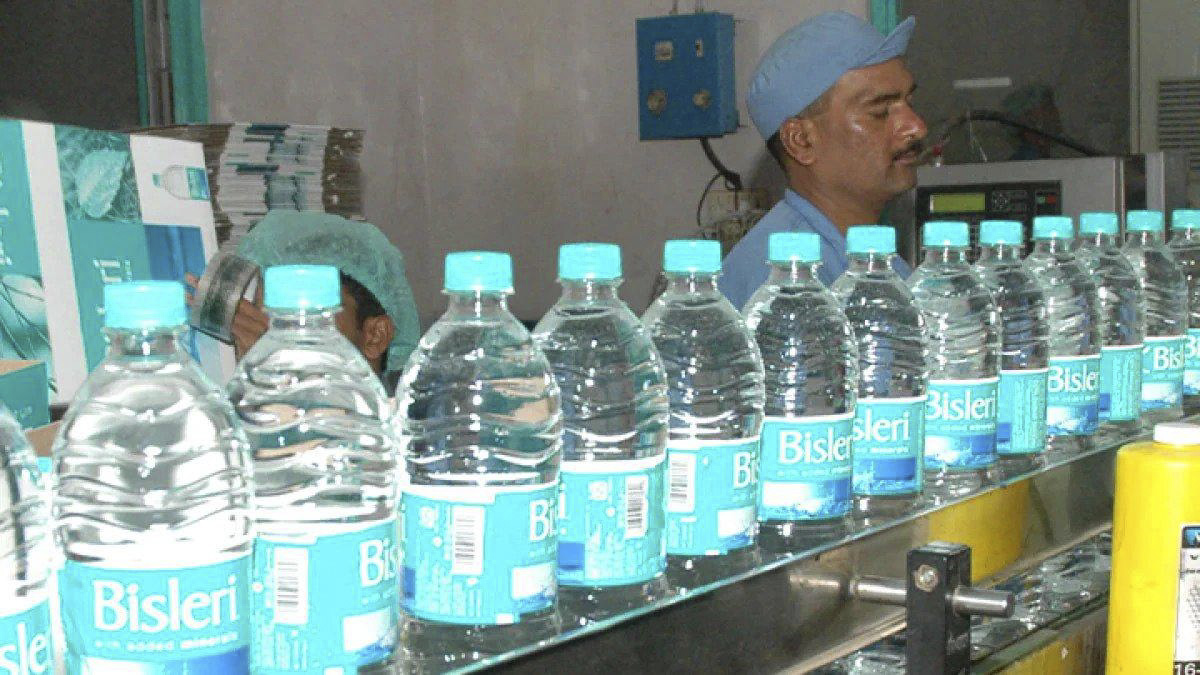
Bisleri Water Quality Row Triggers Concern Among Visakhapatnam Consumers
Reports that food safety authorities flagged a sample of Bisleri packaged drinking water for containing bromate and polycyclic aromatic hydrocarbons (PAHs) have triggered concerns over bottled water safety, prompting consumers to question the quality of even established brands.
Initial laboratory tests reportedly detected bromate at 12 micrograms per litre (µg/L), against the permissible limit of 10 µg/L, which is 20 per cent above the standard. Bromate can form during ozone-based water treatment and has been associated with potential cancer risks following prolonged exposure.
The sample was also found to contain PAHs, a group of chemicals associated with combustion and environmental pollution. Certain PAHs are classified as carcinogenic and can damage DNA. However, details of the specific compounds detected and their concentrations have not been disclosed.
Bisleri has disputed the findings, maintaining that subsequent tests found bromate levels within permissible limits. The company has stated that most samples complied with applicable standards and that it is cooperating with regulatory authorities.
The development has raised concerns among consumers of packaged water in Visakhapatnam. “We buy bottled water believing it is safe. Such reports make us question whether even established brands can be trusted,” said a regular consumer.
Sathy Murthy, a BPO professional, said: “Many people depend on packaged drinking water while travelling and at workplaces. Companies must ensure that every bottle meets safety standards.”
A local retailer, who requested anonymity, said the controversy could affect consumer confidence. “Customers may hesitate to purchase the brand until food safety authorities clarify the findings,” the retailer said.
However, the reported findings relate to a particular sample and do not establish that all Bisleri bottles are contaminated. They also do not establish that consumers have suffered any adverse health effects. The actual health risk depends on the concentration of chemicals, the quantity consumed, and the duration of exposure.
Consumers are advised to check batch numbers, manufacturing dates, and plant details on bottles while awaiting further clarification from food safety authorities.