


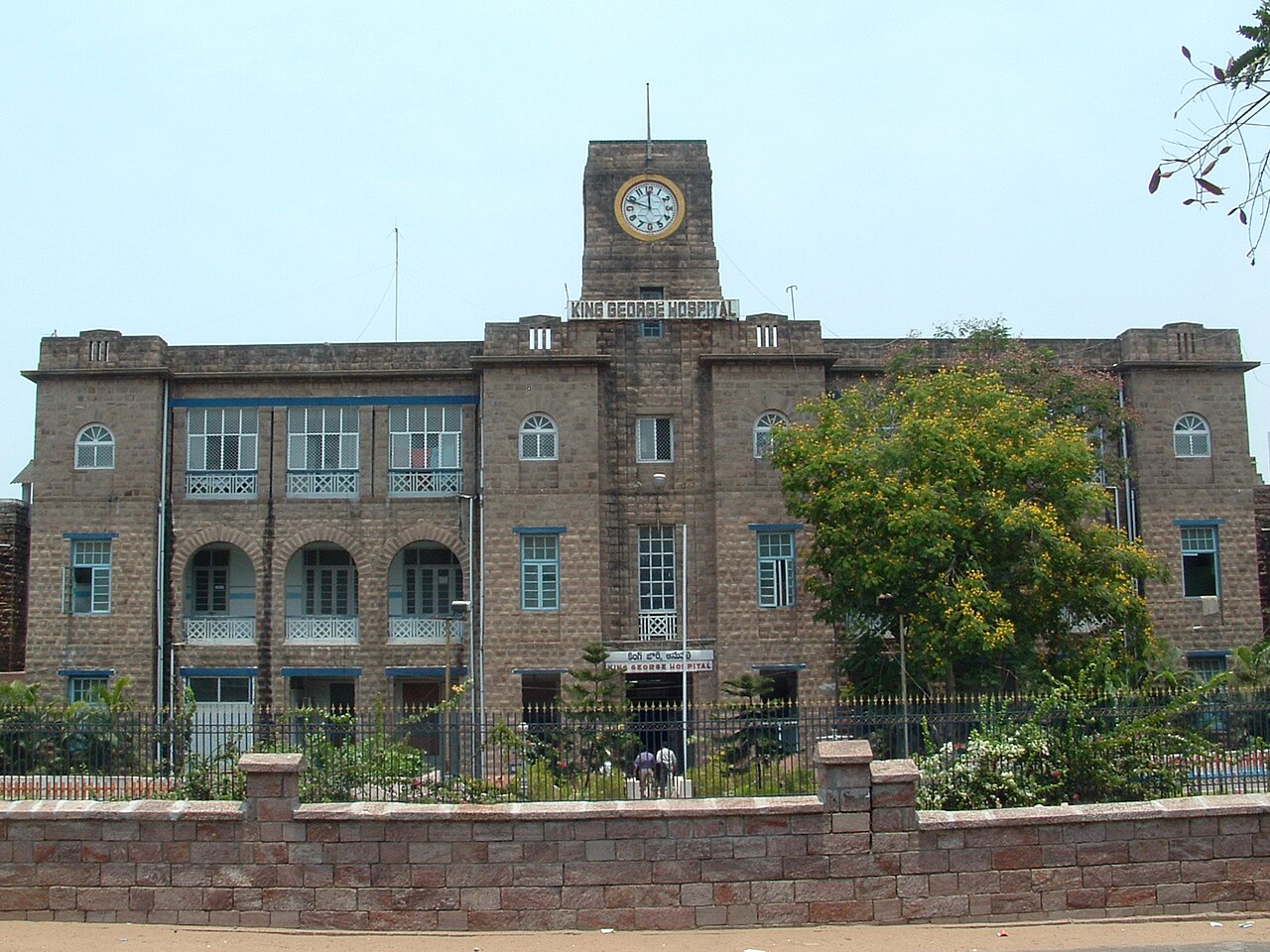
KGH faces shortage of life-saving and emergency medicines
A shortage of several life-saving and emergency medicines at King George Hospital (KGH) has caused difficulties for inpatients, with attendants being asked to procure certain drugs from private pharmacies, according to hospital sources.
The shortage reportedly affects medicines classified as life-saving, emergency, and essential, which must be maintained in adequate quantities to ensure uninterrupted patient care. Nursing staff from various departments have raised indents to replenish stocks in recent days, but supplies have yet to be restored, sources said.
Hospital protocols require regular monitoring of medicine stocks and the submission of advance requisitions to the Central Drug Store to prevent disruptions. However, several critical medicines have reportedly gone out of stock, affecting treatment in emergency and intensive care units.
Among the medicines currently unavailable are Noradrenaline, used in the management of severe hypotension and septic shock; Sodium Bicarbonate, administered in cases of metabolic acidosis and certain kidney-related conditions; and Amiodarone, prescribed for serious cardiac arrhythmias.
Methylprednisolone, a corticosteroid used to treat severe allergic reactions, asthma exacerbations, autoimmune disorders and neurological inflammation, is also reported to be unavailable.
Sources further said that Ranitidine injections, used to treat conditions associated with excess gastric acidity, and Atenolol, prescribed for hypertension and certain cardiac ailments, are among the medicines that have run out of stock. Several other essential drugs are also reported to be in short supply.
Medical personnel expressed concern that prolonged shortages could adversely affect patient care, particularly in emergencies where the immediate administration of medicines is crucial.
Hospital authorities have yet to issue an official statement explaining the reasons for the shortage or indicating when supplies are expected to be restored.