


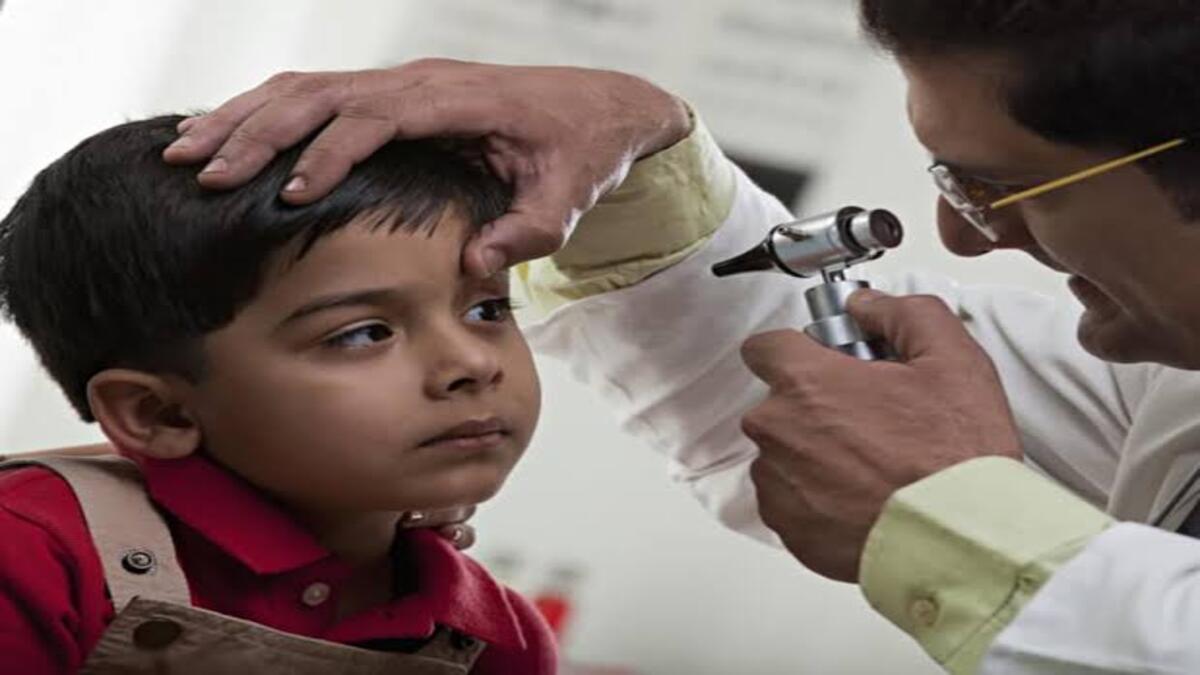
Screen time linked to rise in eye disorders among children, say doctors
Doctors at the Regional Eye Hospital have reported a rise in eye disorders among children, with excessive smartphone use and prolonged screen exposure identified as major contributing factors. The hospital has witnessed a 10% to 20% increase in paediatric eye cases in recent years, prompting specialists to emphasise the importance of early diagnosis to prevent further deterioration of vision.
According to hospital authorities, children now account for nearly one in five patients visiting the outpatient department, up from five to seven in every 100 patients before the COVID-19 pandemic.
The hospital examines 40 to 50 children with eye-related complaints each day, with the number often crossing 60 on Mondays and Tuesdays. To cope with the growing patient load, it has established a dedicated paediatric outpatient clinic for faster screening and treatment.
Doctors said five to ten children examined daily require corrective spectacles, while a few need hospitalisation. The hospital also has a 10-bed paediatric ward to provide specialised inpatient care.
The most common complaints include watery eyes, itching, a burning sensation, eye strain, difficulty seeing classroom boards or distant objects, and squint. Some children also report persistent headaches, difficulty recognising objects, and bacterial or other eye infections.
Medical experts said smartphones are not the sole cause of eye disorders, but prolonged screen exposure has aggravated existing vision problems and contributed to the increase in cases. They advised parents to restrict children’s screen time, ensure adequate lighting while they study, and provide a balanced diet rich in vegetables, carrots, papaya, eggs, and fish to support healthy eyesight.
Regional Eye Hospital Superintendent Dr. Meenakshi said early detection is critical to preventing vision problems from worsening.
“If left undiagnosed, eye disorders can lead to increased eye strain, making it difficult for children to concentrate on their studies. Some may also develop persistent headaches,” she said.
She urged parents to seek medical attention if children exhibit symptoms of vision problems and ensure those prescribed spectacles wear them regularly. Only a small proportion of cases require surgery, she added, while stressing the need to minimise children’s smartphone use and regulate their screen time.