


Tribal communities yet to get 26% share of mining profits: SAMATA founder
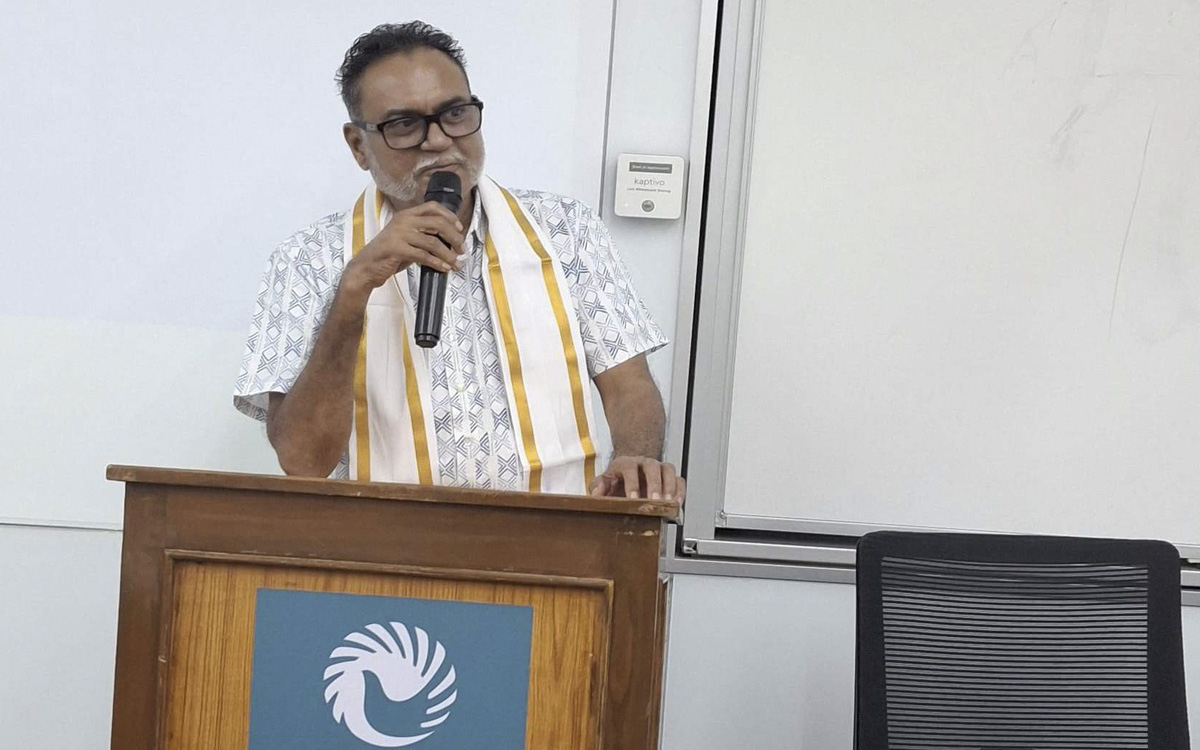
Tribal communities in mineral-rich regions continue to face poverty and marginalisation despite judicial safeguards meant to ensure they receive a share of development benefits, said R. Ravi, founder of SAMATA, an organisation working for tribal rights.
Speaking at a guest lecture on tribal land rights and sustainable development at the GITAM School of Humanities and Social Sciences on Wednesday, Ravi said a gap existed between judicial directives and their implementation in Fifth Schedule areas.
Referring to the Supreme Court’s Samata judgment, Ravi said companies extracting minerals in these areas were required to allocate at least 26 per cent of their net profits for the development and rehabilitation of local tribal communities.
“Indian tribal regions present a stark paradox. They are immensely resource-rich, yet our indigenous people remain economically vulnerable,” he said.
Ravi said the 26 per cent share of project benefits had yet to reach local communities, decades after the judgment. He called for similar benefit-sharing mechanisms for emerging industries and infrastructure projects, including large data centres being established on rural and tribal land.
He also highlighted the dependence of tribal communities on Minor Forest Produce (MFP) and traditional forest-based livelihoods. Unchecked commercialisation, industrialisation and eco-tourism, he said, were putting increasing pressure on their livelihoods and the environment.
Ravi urged the Centre and state governments to implement the Supreme Court’s directives and protect tribal rights while pursuing economic development.
The lecture was followed by an interactive session with students and researchers.
GITAM School of Humanities and Social Sciences director Dr Sushma Raj, Dr B. Nalini and other senior faculty members attended the programme.