


PRSI office-bearer urges WHO to frame guidelines on storing medicines during heatwaves
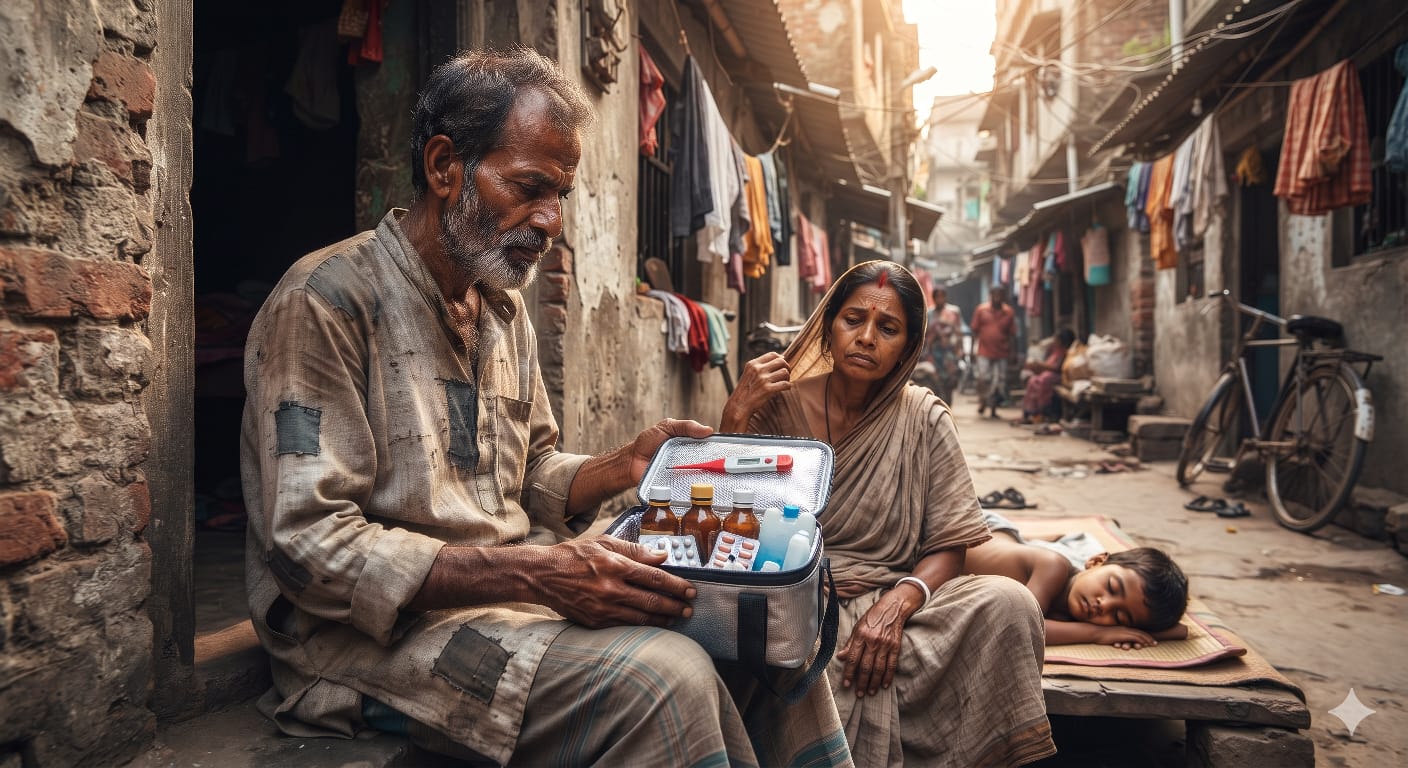
N. V. Narasimham, Treasurer of the Visakhapatnam chapter of the Public Relations Society of India (PRSI), has written to the World Health Organization (WHO), urging it to issue guidelines on the safe storage of essential medicines during heatwaves, as high temperatures could compromise their quality and therapeutic effectiveness.
In his letter, Narasimham said rising global temperatures and more frequent extreme heat events have created an added public health challenge, especially for economically weaker communities that have no access to refrigeration or temperature-controlled storage.
“Many essential medicines and healthcare products are sensitive to temperature fluctuations. Prolonged exposure to excessive heat can affect their stability and effectiveness, potentially putting patients at risk,” he said.
He pointed out that people in low-income households may continue to use medicines exposed to heat without realising that they have deteriorated. The lack of public information on storage during heatwaves, particularly in rural areas and among poorer sections, could worsen the problem, he added.
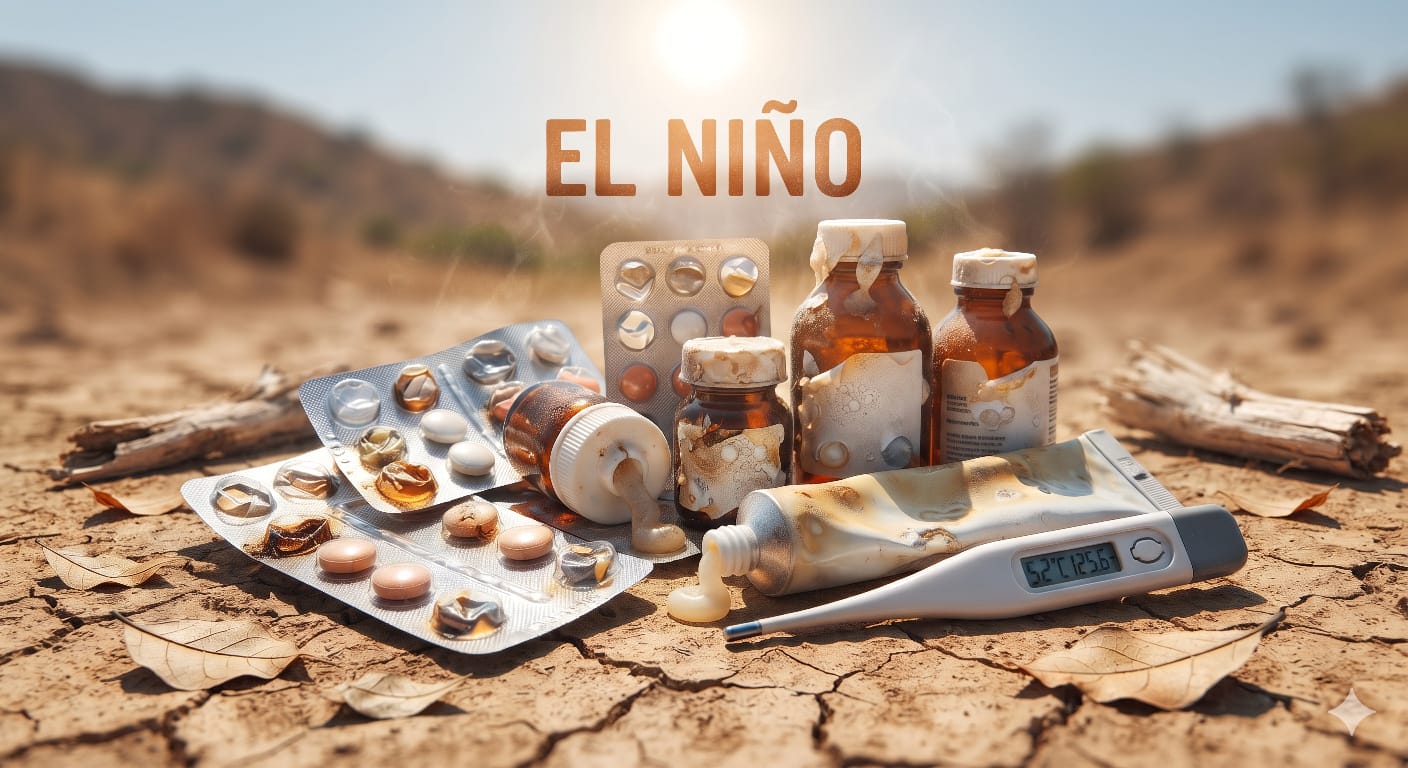
Narasimham also drew attention to vulnerable groups such as people with albinism, who depend on regular sun-protection products like sunscreens and specialised dermatological treatments.
“People with albinism require consistent access to effective sun-protection products and dermatological care. It is important to ensure that these products are stored under appropriate conditions to maintain their quality and effectiveness,” he said.
He sought clear and accessible guidelines on storing medicines during extreme heat, including practical advice for households without refrigeration. He also called for awareness campaigns on the dangers of improper storage and the need to follow manufacturers’ instructions.
The letter said public health advisories must consider the needs of vulnerable populations, notably people with albinism. Narasimham urged the WHO to work with national and local health authorities to ensure that the guidelines reach communities most exposed to extreme temperatures.
Preparedness for climate change, he said, should not be limited to treating heat-related illnesses such as heatstroke and dehydration but should also include safeguarding medicines and healthcare products.
“Loss of medicinal efficacy due to improper storage at high temperatures is a preventable public health concern. Timely guidelines, public education and coordinated action can help reduce avoidable health risks, particularly among communities with limited resources,” he said.
Ensuring that medicines remain effective in a changing climate is a vital part of healthcare readiness and deserves greater attention from international health bodies and public health authorities, he added.