


AI Fetal Monitoring Cuts Neonatal Deaths in Victoria Government Hospital (VGH)
An artificial intelligence (AI)-enabled cardiotocography (CTG) system introduced at Victoria Government Hospital (VGH) has helped reduce neonatal mortality and improve pregnancy outcomes, according to a pilot study conducted at the hospital.
Implemented on the directions of the State Health Department, the pilot project covered nearly 1,000 pregnant women between February and April this year. Encouraged by the results, the department has decided to extend the project for another year.
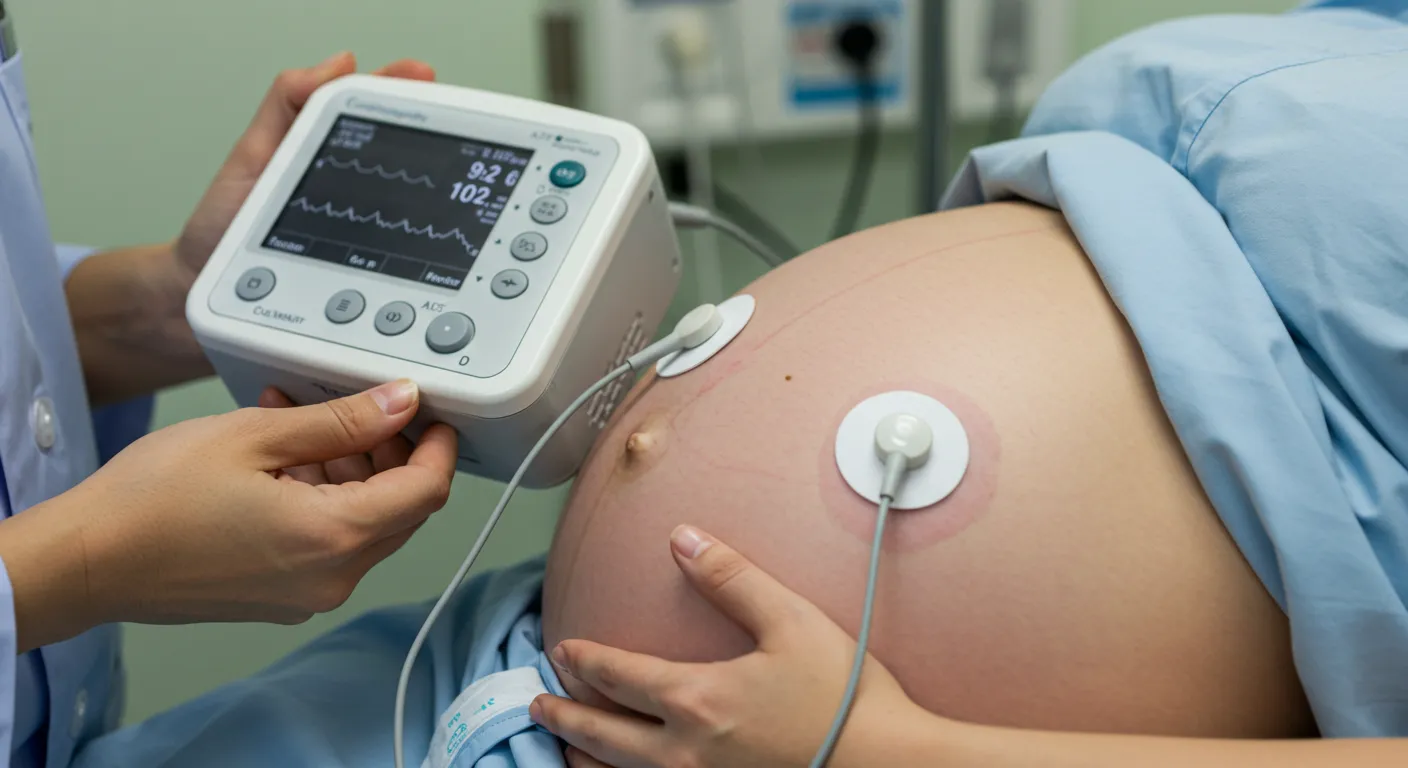
The AI-assisted CTG system continuously monitors the fetal heart rate and uterine contractions to identify signs of fetal distress during pregnancy. Doctors said the technology facilitates early detection of complications, enabling timely medical intervention before delivery.
The study found that use of the AI-enabled system reduced neonatal mortality linked to pregnancy-related complications and deaths occurring within the first week after birth by 14%. It also led to a 20% decline in admissions to the Neonatal Intensive Care Unit (NICU) for birth-related complications.
Doctors said neonatal deaths are often caused by complications such as aspiration of amniotic fluid and inadequate lung development. Early identification of fetal distress through AI-assisted monitoring enabled clinicians to intervene promptly, resulting in better neonatal outcomes.
The study was conducted under the supervision of Dr. Usha Prasad, Superintendent of Victoria Government Hospital.
Under the hospital’s protocol, every pregnant woman admitted for delivery undergoes CTG monitoring using the AI-enabled device. If the system detects fetal distress, it generates a red alert, prompting doctors to carry out further evaluation and initiate appropriate treatment.
The AI-based fetal monitoring system recently drew appreciation from Johannes Zutt, World Bank Vice-President for South Asia, during his visit to King George Hospital, where he reviewed technology-driven healthcare initiatives.
Dr. Usha Prasad said the AI-enabled CTG system should be expanded to rural healthcare facilities by providing the devices to Accredited Social Health Activists (ASHAs) and Auxiliary Nurse Midwives (ANMs). Since the device is simple to operate, it can help frontline health workers identify high-risk pregnancies at an early stage. Timely referral of expectant mothers to the nearest hospital following a red alert could significantly reduce both maternal and neonatal mortality, she said.