


Teenage Pregnancies on the Rise in Anakapalle District
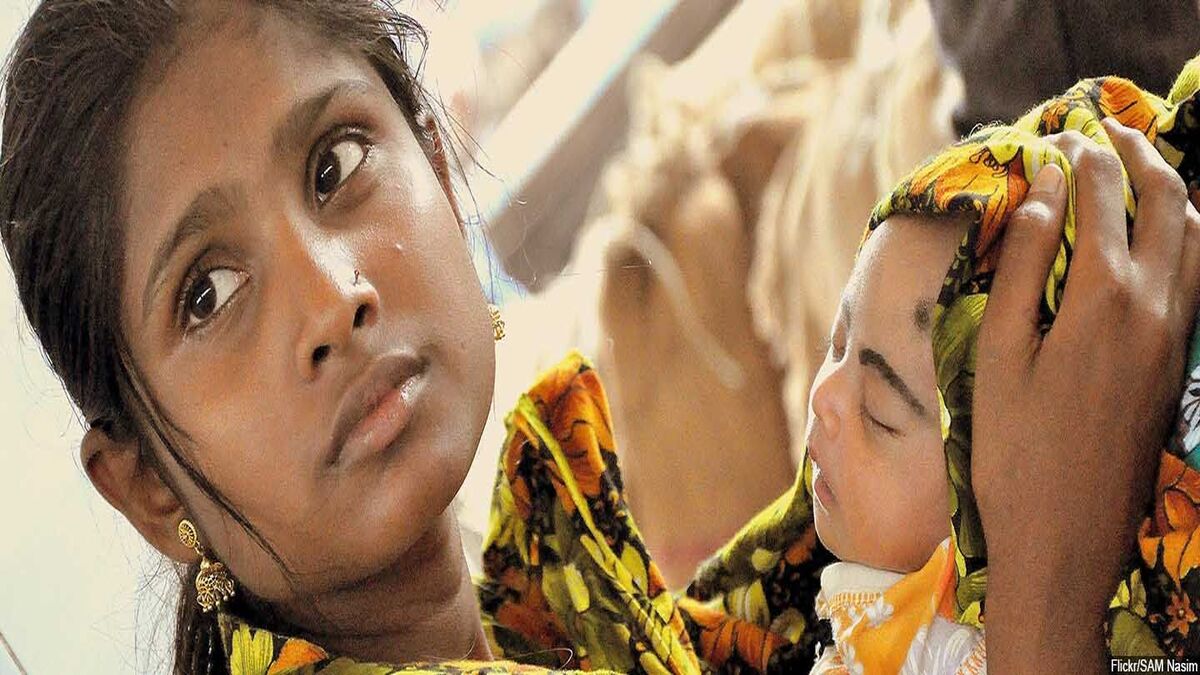
Teenage pregnancies are steadily increasing in the Anakapalle district, with many cases linked to child marriages and early relationships. In a recent case in Anakapalli town, a ninth-grade student was married off by her parents and became pregnant within months, forcing her to drop out of school midway through the tenth grade.
In Elamanchili, a 16-year-old girl reportedly conceived after entering into a relationship, prompting her family to conduct a secret marriage. Doctors have warned that her fragile health could complicate childbirth, posing risks to both mother and child.
According to district records, 6,054 women are currently pregnant, including 8,920 girls, with 332 cases involving minors under 18. Despite awareness campaigns by the Health, Medical, and ICDS departments, the incidence of teenage pregnancies continues to rise.
“By law, girls can marry only after 18,” said Haimavati, District Medical and Health Officer, Anakapalle. “Early pregnancies carry serious health risks. Minor mothers may face life-threatening complications, and the child may not develop properly. Anemia and underdevelopment are common, and in some cases, both mother and child may die during childbirth.”
Experts cite socioeconomic pressures, love marriages, and close family ties as driving factors behind early marriages. “Most teenage mothers in the district are 15 or 16 and come from economically disadvantaged families,” Haimavati added. “Many conceive within six months of marriage, increasing the risks during delivery.”
ICDS officials have intensified village and school-level awareness programs. “We counsel families as soon as we learn about planned child marriages,” said J. Suryalakshmi, ICDS Project Director, Anakapalle. “Secret marriages still happen, but stopping them is crucial to protect girls’ futures. Early motherhood can reduce life expectancy and cause long-term health issues.”
Medical practitioners have also cautioned that some private hospitals exploit minor mothers, demanding high fees for medical procedures. Young mothers often require surgical interventions and continuous medical supervision.