


Visakhapatnam Workers Seek ‘Right to Sit’ Amid Health Concerns
A growing number of employees in retail outlets, jewellery showrooms, educational institutions, and industrial units are reporting health issues linked to prolonged standing during working hours, prompting renewed calls for the provision of basic seating facilities at workplaces.
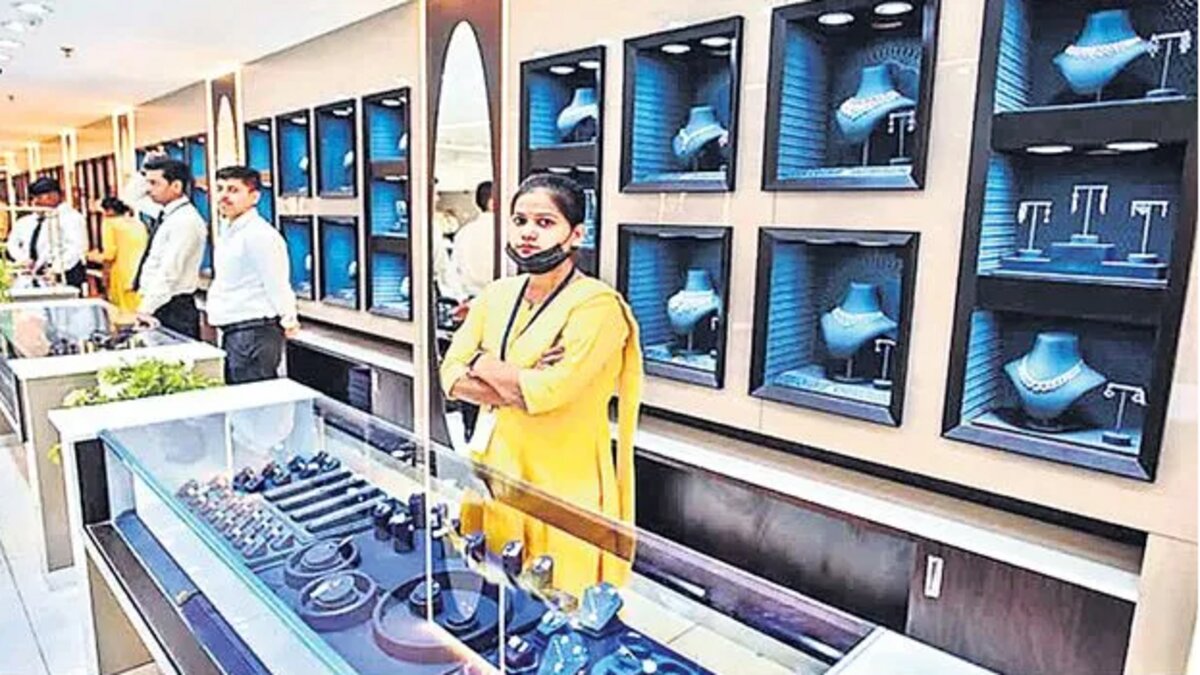
The practice, commonly referred to as “prolonged standing jobs,” requires employees to remain on their feet for most of their shifts, often without access to chairs or adequate rest breaks. Sales staff in malls and clothing stores, security personnel, and teachers in several schools and colleges are among those affected.
In the retail sector, employees are typically required to stand for 8–10 hours a day, with breaks generally limited to lunch hours. Several women employees said the continuous standing causes significant strain on the legs and feet, with little opportunity to sit, even during periods of low customer footfall. Some also noted that health challenges during menstruation add to the difficulty, while workplace constraints often make it difficult to take leave.
The issue has gained attention in the wake of the “Right to Sit” initiative introduced in Kerala following sustained protests by women employees. Tamil Nadu has also implemented similar measures, though such provisions are yet to be widely adopted in several other States.
Health experts caution that prolonged standing may lead to a range of musculoskeletal disorders, including foot pain, knee pain, back pain, swelling in the lower limbs, fatigue, and muscle stiffness. They recommend periodic short breaks and changes in posture during working hours.
Dr. M. Chandrasekharam Naidu, orthopaedic specialist at King George Hospital (KGH), said prolonged standing without adequate rest could result in chronic health complications, particularly among women, elderly employees, pregnant women, and individuals with diabetes, hypertension, or obesity. He advised that workers take brief sitting breaks of 2–3 minutes every hour and avoid remaining in a static posture for extended periods.
With thousands of employees engaged in such roles across the city, there is increasing demand for employers to provide seating arrangements during non-peak hours to ensure better occupational health and workplace dignity.