

ISRO, AU to study rip currents using AI-based monitoring system
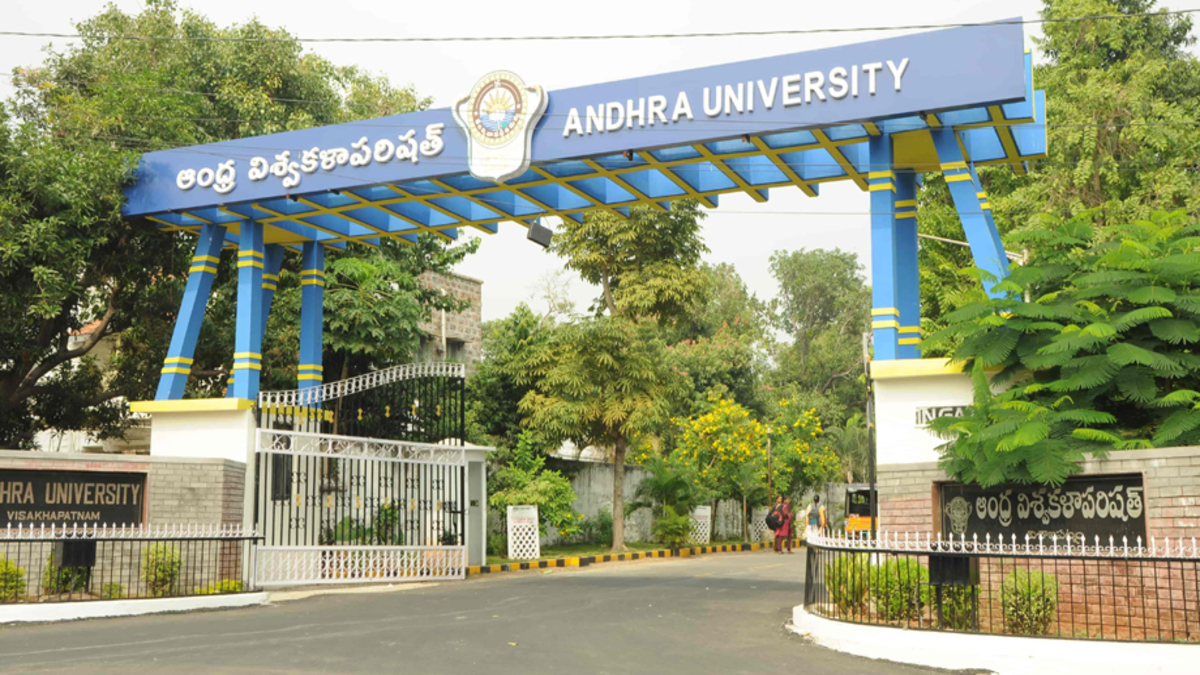
The Space Applications Centre (SAC) of the Indian Space Research Organisation (ISRO), Ahmedabad, and the Department of Marine Studies at Andhra University (AU) have launched an artificial intelligence (AI)-based project to study rip currents along the Andhra Pradesh coast and develop an early warning system aimed at preventing drowning incidents.
Named Bharati, the project will cover beaches at Rushikonda, RK Beach, Yarada, Mypadu, and Suryalanka. Pilot studies will initially be conducted at RK Beach and Rushikonda Beach, where rip currents have been identified as a major safety hazard.
The initiative was discussed at a seminar on rip current risk mitigation organised by the Andhra Pradesh Marine Police at Andhra University on Wednesday.
Addressing the seminar, Dr. Surishetti Arun Kumar, Senior Scientist at SAC, said AI-enabled cameras would be deployed to detect rip currents in real time. The system would alert lifeguards and activate warning sirens to caution beachgoers whenever hazardous conditions are detected.
The project also envisages the development of a mobile application, Safe Beach, and an AI-powered lifeguard alert system to enhance beach safety. Drones may also be deployed for rescue operations in cases where swimmers are swept away by strong currents, he said.
Dr. Arun Kumar said studies conducted in 2017 had identified vulnerable stretches at Rushikonda Beach and along RK Beach, particularly the area between the Kali Mata Temple and the Kursura Submarine Museum. The new project would build on those findings and undertake a comprehensive assessment of rip current patterns using AI-based technologies.
Explaining the phenomenon, he said rip currents are formed when water pushed towards the shore by waves flows rapidly back into the sea through narrow channels. Such currents generally extend 50 to 150 metres offshore and may appear as darker patches between lines of breaking waves.
According to him, rip currents are more common during April, May, October, and November, when seasonal changes in wind direction influence wave patterns and coastal erosion. Areas opposite the Kali Mata Temple and behind the Kursura Submarine Museum on RK Beach, as well as parts of Rushikonda Beach, are particularly vulnerable to the phenomenon.
The pilot study will be carried out in Visakhapatnam before being extended to other beaches along the Andhra Pradesh coast, officials said.