


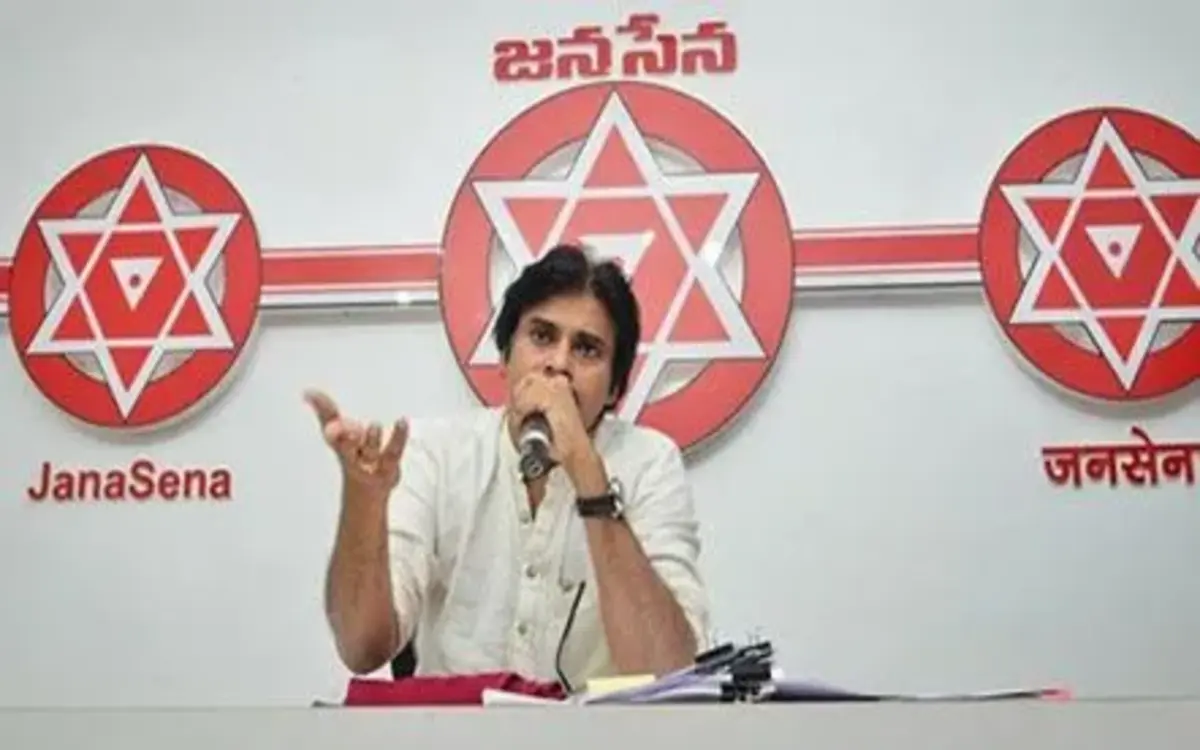
Internal Tensions Surface in Jana Sena Amid Coalition Concerns
Internal differences within the Jana Sena Party have come under renewed focus following a meeting in Tirupati that reportedly brought out tensions between the leadership and cadre, along with concerns over the party’s functioning within the ruling coalition.
The meeting, attended by Rayalaseema in-charge Balineni Srinivasa Reddy and MLA Arani Srinivasulu, is said to have witnessed sharp exchanges among functionaries. Party cadres raised concerns over what they described as a shrinking political space for the Jana Sena Party within the alliance led by the Telugu Desam Party.
Several participants reportedly flagged delays in addressing constituency-level issues and slow progress in development works. They also expressed dissatisfaction over limited responsiveness from the leadership to internal grievances, reflecting what they described as growing disconnect between expectations and outcomes after joining the party.
The episode has once again highlighted unease among sections of the cadre, particularly second-rung leaders and grassroots workers, who feel their political role has not expanded in proportion to the party’s position in government.
Dismissing the controversy, Balineni Srinivasa Reddy attributed the tensions to individuals formerly associated with the Y S R Congress Party, stating that the incident was being exaggerated and did not reflect the broader organisational mood.
However, political observers note that such expressions of dissatisfaction have surfaced intermittently across regions, suggesting a deeper structural issue linked to power-sharing and visibility within the coalition framework.
With the government completing nearly two years in office, analysts say managing internal expectations remains a key challenge for the Jana Sena Party. Attention is now on Deputy Chief Minister K Pawan Kalyan, with calls for clearer organisational direction and corrective measures.
While the leadership maintains that unity within the alliance remains intact, ground-level feedback indicates continuing unease over unmet expectations, which observers caution could evolve into a larger organisational concern if left unaddressed.