


Mobile game addiction driving behavioural issues among children, warn experts
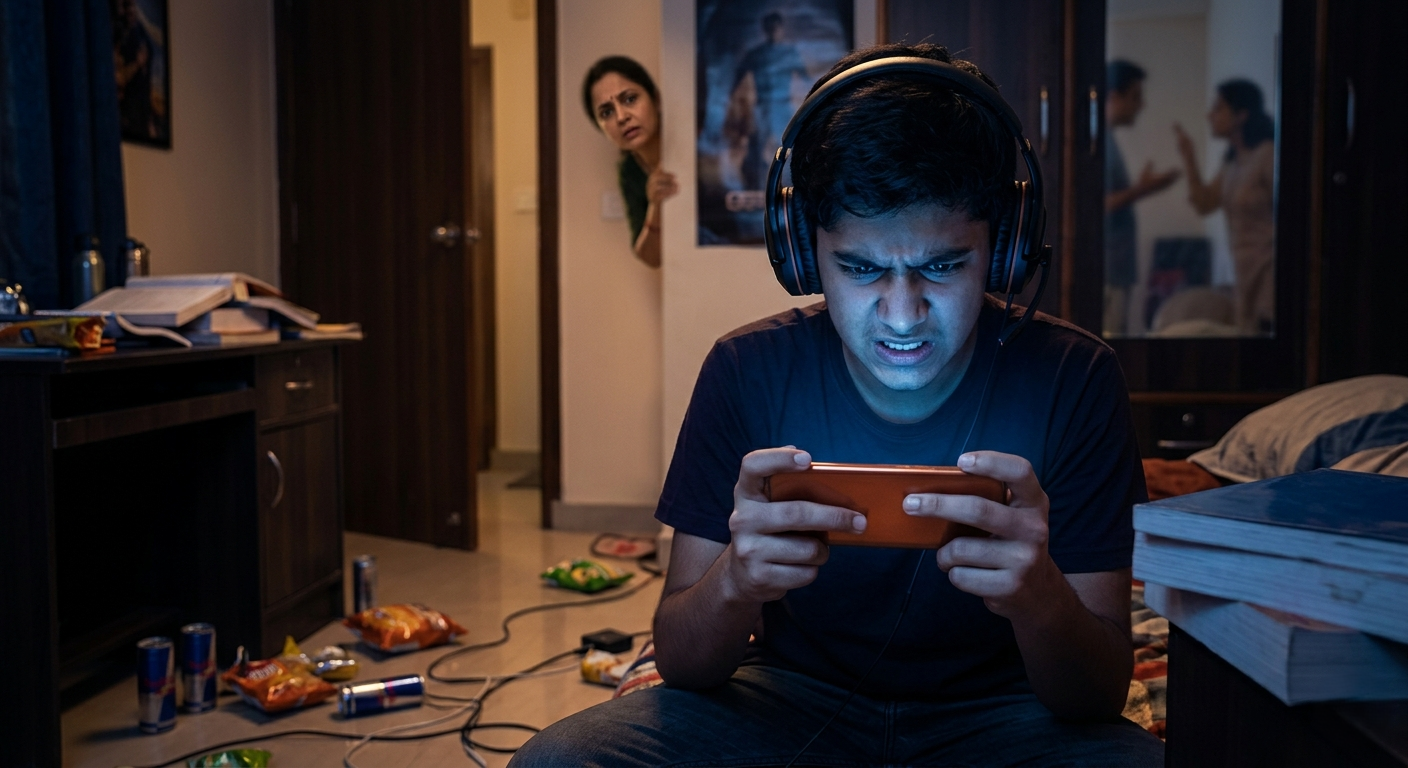
A series of disturbing incidents involving youngsters allegedly addicted to mobile phones and online gaming has raised concerns among mental health professionals, who warn that unchecked digital dependence can contribute to emotional instability, aggression and other behavioural problems.
The issue has come under renewed scrutiny following recent incidents in which family members were allegedly attacked after attempting to curb excessive phone or gaming use. In one case reported from Rajam, a youth allegedly killed his mother after she repeatedly advised him to reduce his mobile phone usage, focus on his studies and stay away from bad company. In another incident in Karnataka, a teenager allegedly attacked his sister for preventing him from playing mobile games late into the night and later assaulted his parents when they intervened.
Psychiatrists say such incidents are rare but underscore the potential consequences of severe digital addiction. According to experts, children who become excessively dependent on online games often exhibit signs of social withdrawal, irritability, declining academic performance and an inability to regulate their emotions effectively.
Doctors note that some youngsters addicted to gaming may also become vulnerable to substance abuse and negative peer influences. Those with personality-related behavioural disorders are considered particularly at risk, as they may react disproportionately when access to games or mobile phones is restricted.
Experts identify several warning signs, including excessive screen time, isolation from family members, lack of interest in studies, frequent anger, poor eating habits, spending long periods away from home and developing unhealthy social associations. Persistent irritability and emotional outbursts may also signal an underlying problem.
Dr G. Bhagya Rao, a psychiatrist, said harsh warnings or punishment alone cannot address the issue. Instead, parents should encourage alternative activities, maintain open communication and seek professional counselling when necessary. Timely intervention, he said, can help children overcome addiction-related behavioural problems and return to a healthy and balanced routine.