


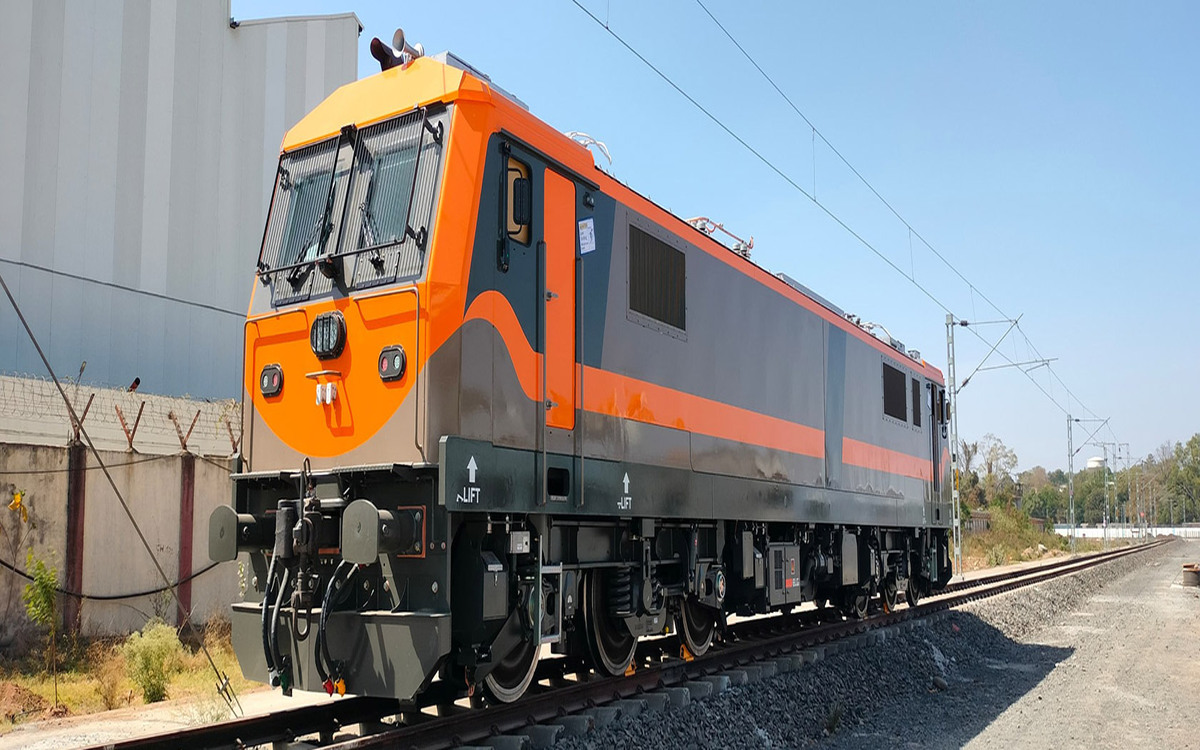
Visakhapatnam emerges as key freight rail hub with 9,000 HP locomotive depot launch
Visakhapatnam is set to play a significant role in Indian Railways’ freight modernisation programme with the inauguration of the first maintenance depot for 9,000-horsepower electric locomotives. The facility marks the beginning of a planned four-depot network designed to support high-capacity freight movement and improve operational efficiency across the national rail network.
The project is being implemented under an availability-based lifecycle partnership model that covers the full chain of operations, including design, manufacturing, commissioning, and 35 years of maintenance support. This long-term framework is aimed at ensuring sustained performance, higher fleet availability, and reduced downtime for freight locomotives.
Locomotives are being manufactured at Indian Railways’ advanced facility in Dahod, Gujarat. Maintenance operations will be distributed across four strategic locations — Visakhapatnam, Raipur, Kharagpur, and Pune — positioning Visakhapatnam as an important hub in the emerging freight ecosystem.
Indian Railways has also commenced commercial operations of the 9,000 HP electric freight locomotives, designed specifically for heavy-haul operations. Capable of speeds up to 120 kmph, the D9 class locomotives are among the most powerful freight engines in global service and are expected to significantly enhance freight carrying capacity and turnaround times.
Officials said the new locomotives are designed to handle longer and heavier freight rakes, supporting faster movement of goods across key industrial corridors. The initiative is also expected to contribute to reduced logistics costs and improved reliability of freight services.
Siemens Limited Managing Director and Chief Executive Officer Sunil Mathur described the development as a landmark in India’s railway modernisation journey. He said the project reflects a “pioneering partnership” with Indian Railways and highlights the strength of a lifecycle-based delivery model.
He added that the initiative demonstrates engineering capability and collaboration aligned with India’s broader industrial ambitions. According to him, the project also reflects the spirit of long-term infrastructure transformation and manufacturing strength.
The locomotives were delivered and brought into commercial service within 36 months of the contract award, a timeline officials described as among the fastest for a project of this scale in the Indian railway sector.
Authorities also highlighted that nearly 90% of the locomotive technology has been developed domestically, reinforcing the “Make in India” initiative. The project has additionally contributed to strengthening the domestic supply chain, expanding supplier capabilities, and building skilled manpower within India’s rail manufacturing ecosystem.