


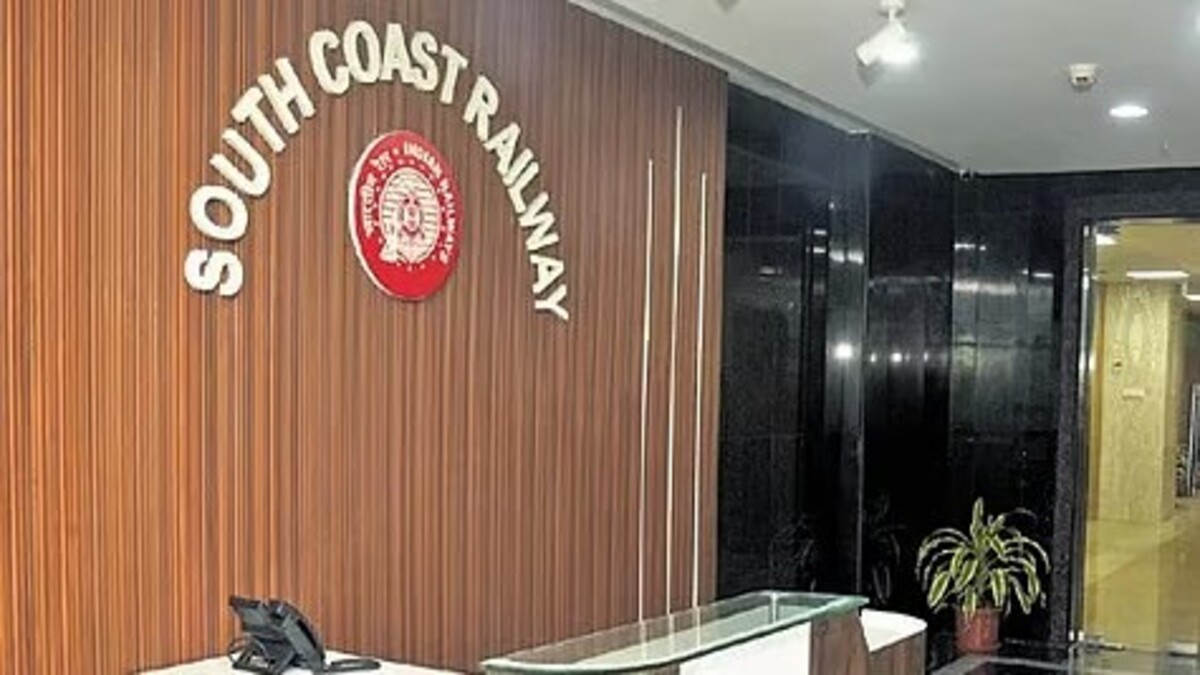
Delay in staff transfers slows preparations for South Coast Railway Zone
Preparations for the South Coast Railway Zone (SCoR), headquartered in Visakhapatnam, have slowed due to delays in relieving employees from various railway zones despite the issuance of No Objection Certificates (NOCs).
Union Railway Minister Ashwini Vaishnaw had announced that the new zone would commence operations on June 1. However, officials said the process of transferring staff to the new zone and the newly formed Rayagada Division has not progressed as expected.
The Director General of the Railway Board has reportedly written to the General Managers of all railway zones, expressing concern over the slow pace of relieving employees who had already been cleared for transfer.
According to railway sources, employees from different zones had applied for postings in the South Coast Railway Zone and the Rayagada Division, and approvals had already been granted. However, several employees are yet to be relieved by their parent zones.
The letter is understood to have pointed out the mismatch between the number of NOCs issued and the number of employees actually relieved, while questioning how the new zone could become operational if the process continued at the present pace. Zonal authorities were directed to expedite the relieving process.
Official figures indicated that approval had been granted for the transfer of 526 employees to the South Coast Railway Zone and 191 employees to the Rayagada Division. Of them, 329 employees received NOCs for transfer to the Visakhapatnam-based zone. However, as of May 11, only 183 employees for the zone and 47 employees for the division had been relieved.
Railway sources said the new zone would eventually require around 1,500 to 2,000 employees. They noted that accommodating such a large number of staff members and assigning posts within a short period posed administrative challenges.
Officials said the operational date had been announced only recently and that the transition process would have to be implemented in phases. They maintained that the sudden movement of hundreds of employees could lead to difficulties in the allocation of posts and accommodation.
Railway authorities also stated that the personnel department in Visakhapatnam was handling the transition process and that additional time would help ensure the smooth implementation of the new administrative structure.